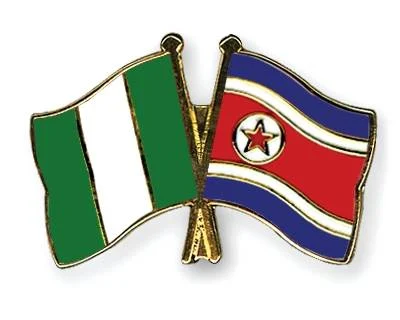
Nigeria has resumed operations at its embassy in Pyongyang, North Korea, after a closure that began during the global COVID-19 outbreak in 2021.
This move makes Nigeria one of only two African countries, alongside Egypt, with a diplomatic presence in North Korea.
During the embassy’s closure, diplomatic activities between the two nations were managed through Nigeria’s mission in Abuja.
The Nigerian envoy, Patrick Imodu Imologhome, recently met with Russia’s ambassador to North Korea to discuss the reopening.
North Korea, which had sealed its borders at the start of the pandemic in 2020, only began allowing foreign diplomats back into the country in mid-2023.
Despite the challenges, both nations maintained their longstanding ties, established in 1976, through ongoing communications.
Nigeria joins a select group of nations with embassies in Pyongyang, reflecting a strategic decision to re-establish its presence in the isolated nation.
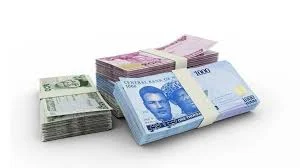
Concerned about the illegitimate sale of the national currency, the Central Bank of Nigeria (CBN) has introduced a ₦150 million fine on banks caught supplying mint naira notes to street hawkers.
This action targets curbing the unauthorized sale of the naira, which has disrupted cash flow and accessibility for citizens.
The directive, issued by the Acting Director of Currency Operations, Mohammed Olayemi, outlines that any branch of a Deposit Money Bank (DMB) found guilty will face the penalty, with harsher sanctions for repeated violations under the Banks and Other Financial Institutions Act (BOFIA) 2020.
The CBN plans to intensify monitoring by conducting unannounced checks at banking halls and ATMs while deploying undercover agents to identify hawking locations.
Banks are also urged to strengthen internal controls to prevent exploitation for illegal cash transactions.
This move comes as the apex bank reaffirms the validity of old ₦1000, ₦500, and ₦200 notes following a Supreme Court ruling and warns against hoarding cash.
The CBN is determined to ensure proper distribution and discourage illicit practices that hinder access to funds.
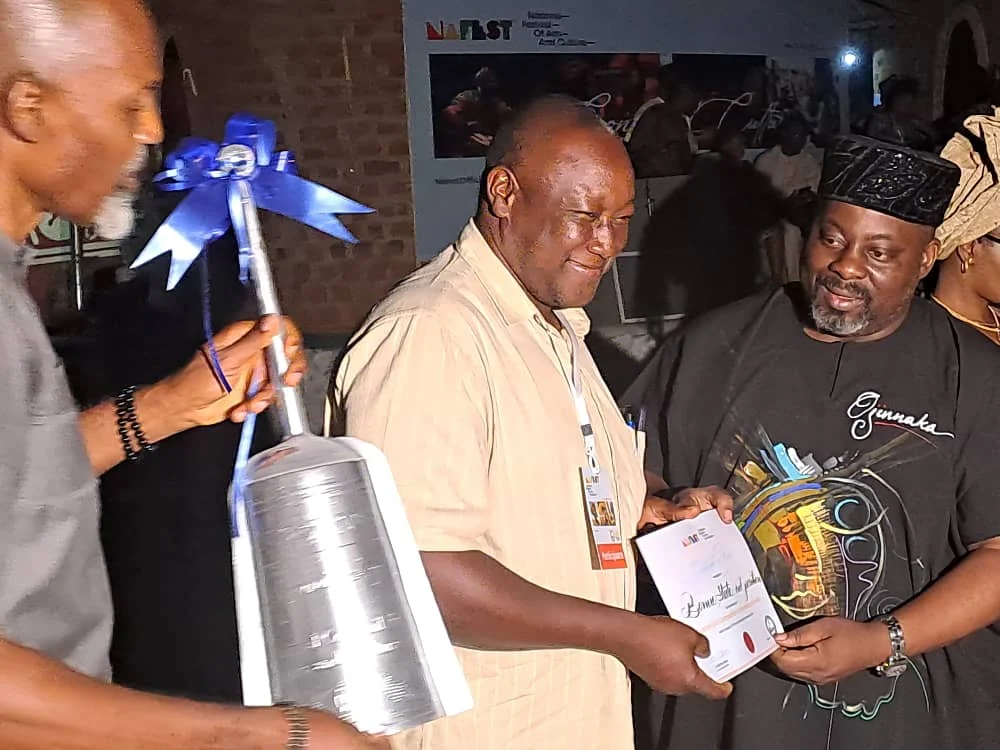
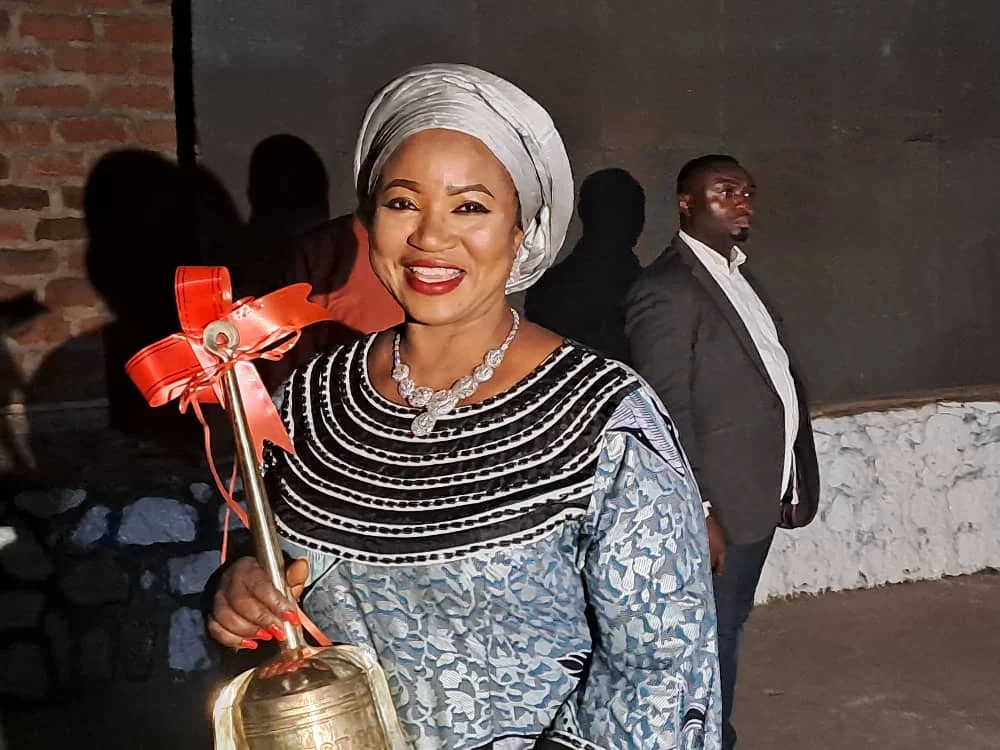
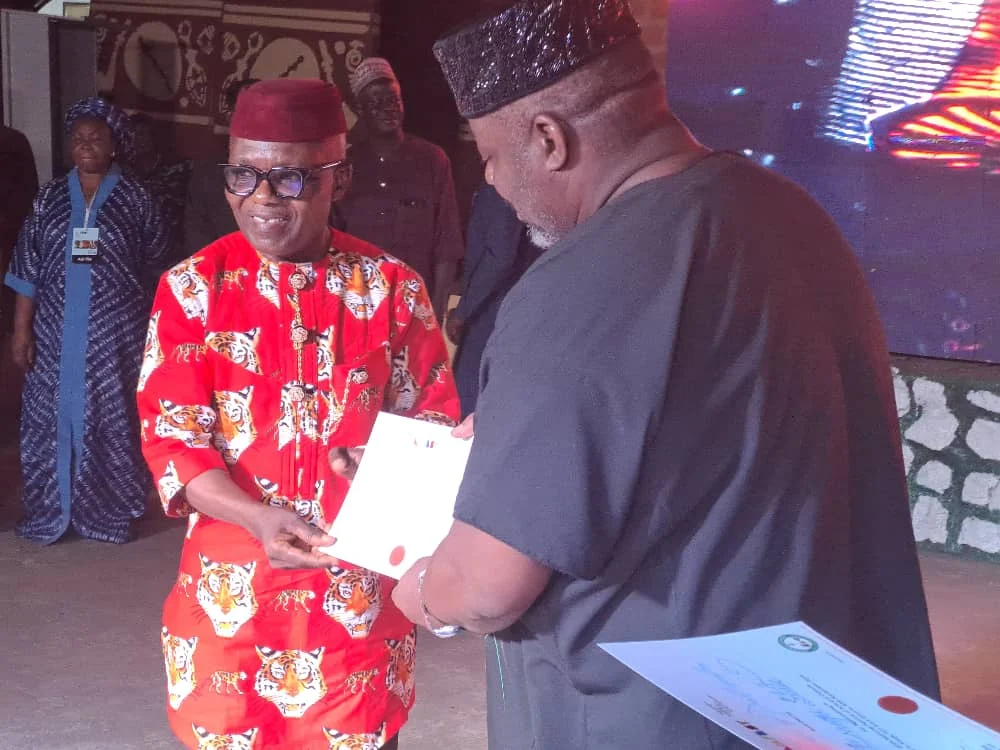
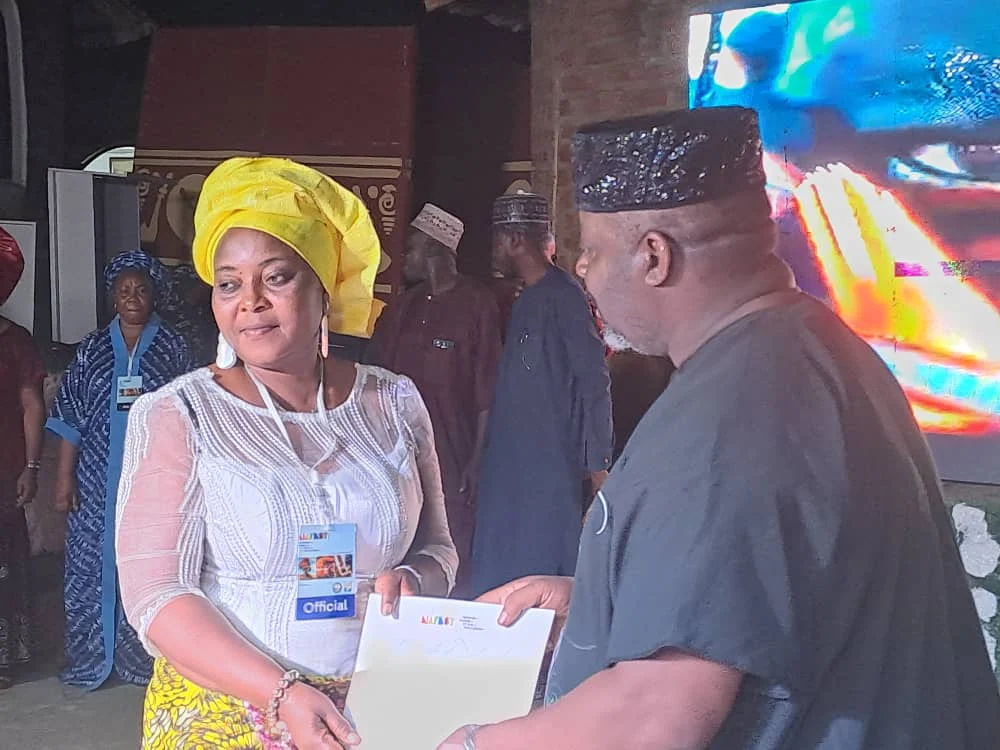
The 36th edition of the National Festival of Arts and Culture (NAFEST) concluded in Abuja, with Bayelsa State emerging as the top performer.
This year’s event, which spanned an entire week, brought together people from all corners of Nigeria to honor the nation’s diverse traditions under the theme “Connected Culture.”
NAFEST 2024 served as a vibrant display of Nigeria’s cultural wealth, offering a blend of competitive and non-competitive events that allowed participants to showcase their unique talents.
It featured activities that ranged from storytelling and traditional board games like Ayo to indigenous sports such as Traditional Wrestling and Dambe Boxing.
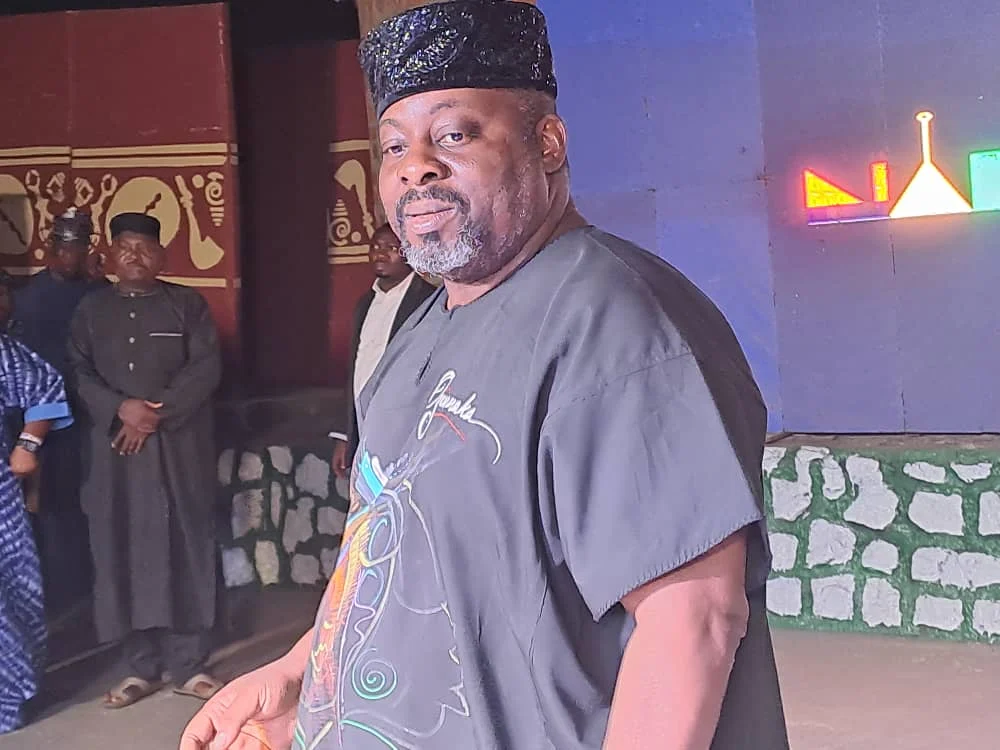
Obi Asika, Director General, National Council for Arts and Culture
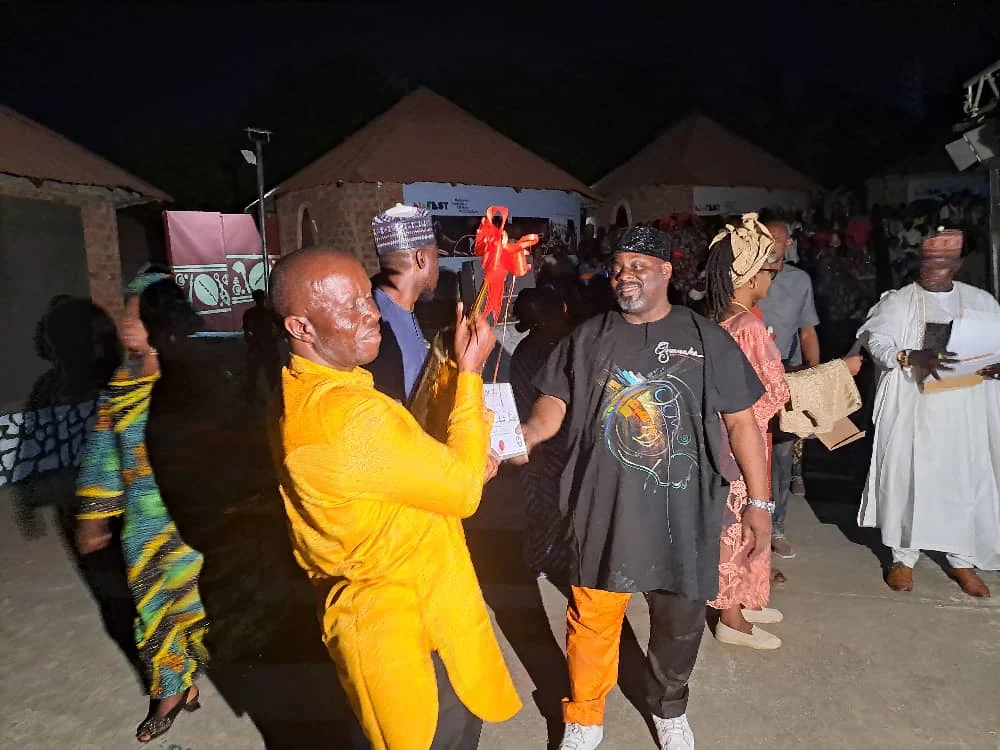
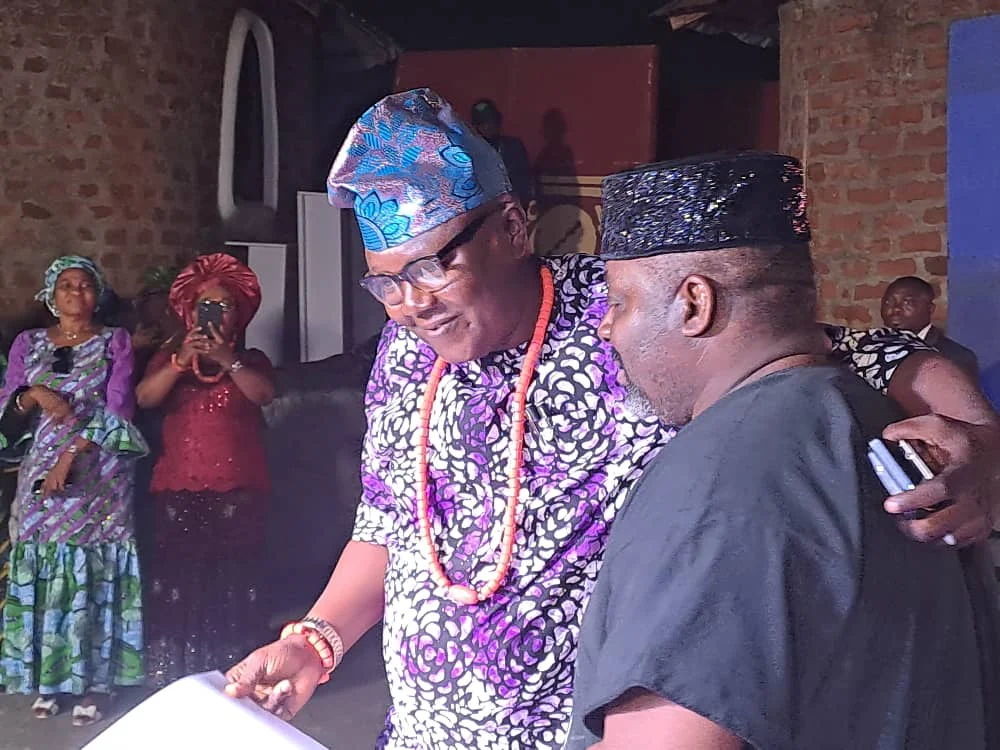
Mr. Asika Presenting Award to the Overall Best Troupe
Other exciting events included Archery, musical performances through Sing-Off Naija, and energetic dance competitions in Dance-Off Naija.
One of the standout competitions was the Jollof Wars, where top chefs battled to prepare Nigeria’s beloved dish. Additionally, students participated in educational contests like the Children’s Essay Writing Competition and the Culture Quiz, further promoting the understanding of Nigeria’s heritage among the younger generation.
Events that focused on the use of indigenous materials in modern design also attracted attention, showcasing the fusion of tradition with contemporary creativity.
While the competitive events brought out impressive displays of skill, NAFEST also featured non-competitive showcases that brought a sense of unity and celebration to the occasion.
These included a grand opening and closing ceremony, performances of local theater productions like Ibe Ji Mma, and discussions in forums such as the Creative Economy Town Hall, which encouraged artistic entrepreneurship. Free skills training sessions were also held, offering opportunities for young Nigerians to enhance their craft.
Bayelsa’s performance stood out with wins in the Children’s Arts & Crafts and Archery events. Ekiti State shone in the Swag Show and Essay Competition, while Taraba claimed top honors in the Culture Quiz.
Other notable performers included Lagos, which secured the third position overall, and Nasarawa, which triumphed in both the Jollof Wars and Dance-Off. Ekiti earned second place, showcasing a wealth of talent across the board.
In his remarks, Obi Asika, the Director General of the National Council for Arts and Culture, commended the festival for promoting national unity and cultural pride.
NAFEST, he noted, serves as a vital platform for cultural exchange and growth, strengthening connections among Nigeria’s diverse peoples.
The festival not only highlighted the artistic talents of Nigerians but also contributed to the growth of local tourism, business, and entrepreneurship. The Arts and Crafts Cultural Market provided artisans a space to showcase their work, further encouraging economic development.
The Federal Government has expressed optimism about the positive effects of its tough economic decisions, citing recent growth in Nigeria’s GDP as a sign of progress.
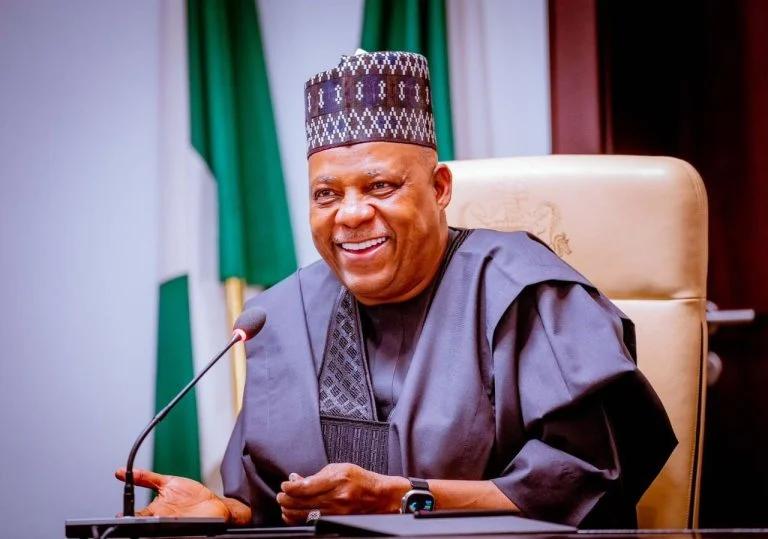
Vice President Kashim Shettima made the statement during the National Economic Council’s (NEC) 147th meeting in Abuja on December 13, 2024.
He noted that the 3.46% GDP growth reported for the third quarter of 2024 was an indication of better economic times ahead.
Shettima acknowledged the contributions of the Council’s members and urged them to prepare for the coming year, taking into account how this year’s policies and projects have shaped the nation’s economic trajectory.
He emphasized that, despite the challenges, the government’s reforms are starting to show results.
In addition, the meeting included a discussion on the World Bank’s Economic Report, which highlighted efforts to strengthen Nigeria’s education and healthcare sectors.
Shettima pointed out that these initiatives aim to improve human capital, reduce inequalities, and better equip the workforce to thrive globally.
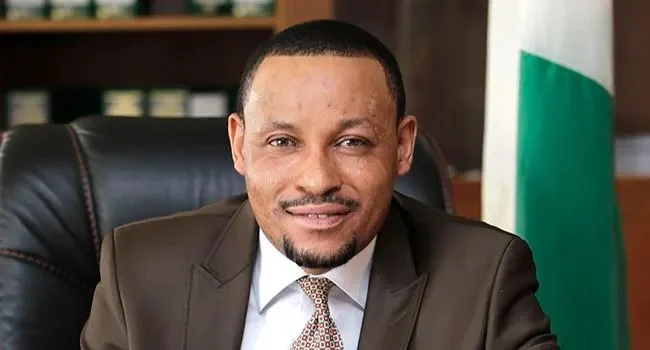
Two civil society groups and a lawyer have filed a lawsuit challenging the removal of Justice Danladi Umar as Chairman of the Code of Conduct Tribunal (CCT).
The case, submitted to the Federal High Court in Abuja, named President Bola Tinubu, Senate President Godswill Akpabio, and other officials as defendants.
The plaintiffs claimed the National Assembly’s decision to remove Umar violated constitutional provisions.
They sought to block the implementation of the Senate and House of Representatives’ resolution and prevent the president from acting on it.
The legal team argued that the process lacked due process and contradicts the 1999 Constitution and the Code of Conduct Bureau and Tribunal Act.
The court, presided over by Justice James Omotosho, has directed that notices be served through alternative means and set January 14, 2025, for the hearing.
Concerned by widely circulating reports about sharp practices bordering on land grabbing, amongst others, the Nigerian Senate has instructed the Minister of the Federal Capital Territory to stop all demolitions in the FCT, except those ordered by the courts.
The instruction by the senate shall subsist until full investigation is completed on the demolition exercise in the FCT.
An ad hoc committee, chaired by Deputy Senate President Barau Jibrin, has therefore, been empaneled to look into the matter.
The committee is expected to submit a report within two weeks.
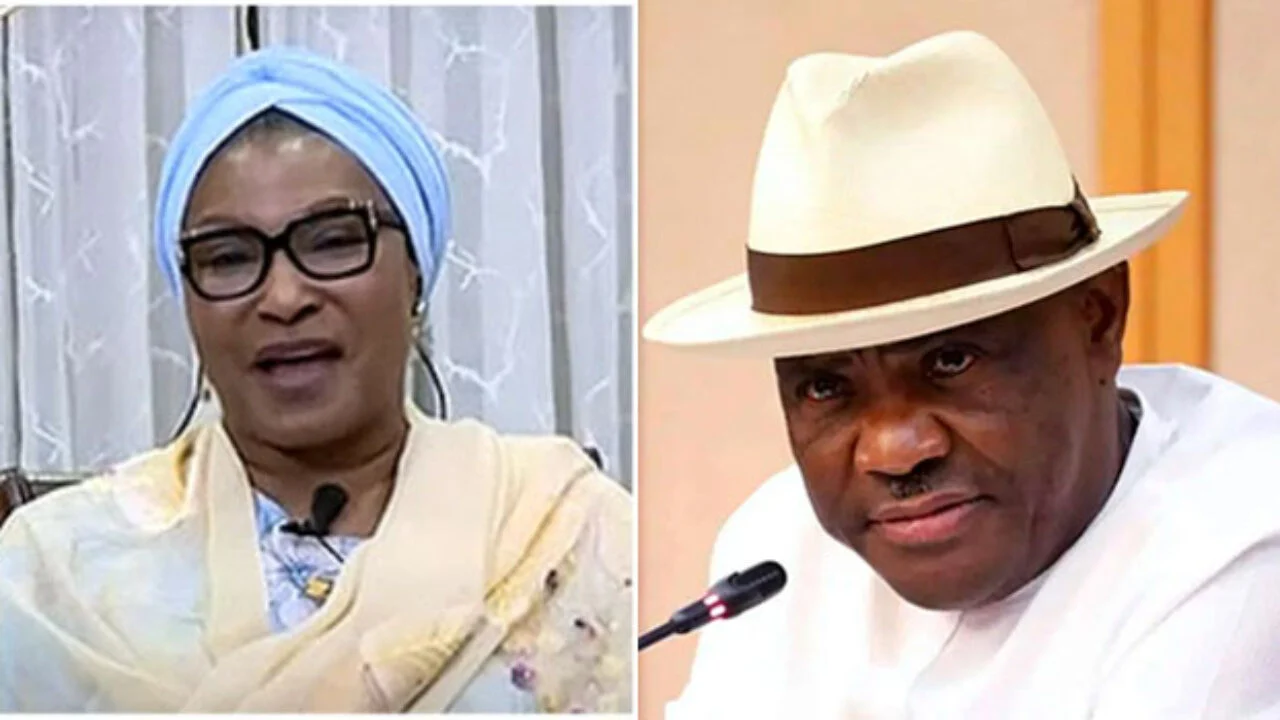
This decision follows concerns raised by Senator Ireti Kingibe, who claimed that proper procedures were not followed during the demolitions that were recently approved by Nyesom Wike, the Minister of the FCT.
Part of the amendment, when approved would require a convicted looter of public fund to undergo mandatory counselling to tackle mental attitudes that predispose some public officials to obscene accumulation of illicit wealth, hoping that such measure may help to curb corruption at its root.
The bill which will aim to revise the Corrupt Practices and Other Related Offences Act, 2000, has passed its second reading in the House of Representatives.
Sponsored by Hon. Akiolu Moshood Kayode of Lagos Island, the proposed amendment focuses on introducing mandatory counselling and training for those convicted of corruption-related offences.
During the debate, Kayode explained that the bill seeks to update Section 67 of the law by adding new provisions.
These would require judges and magistrates, in addition to sentencing offenders to prison or fines, to mandate a period of anti-corruption counselling and training.
The bill aims to address the link between mental attitudes and the accumulation of illicit wealth, proposing that such measures will help curb corruption at its root.
In another matter, the House also agreed to probe the activities of Nigeria Customs Service officers after allegations surfaced involving smuggling.
This came after a motion was raised by Rep. Oluwaseun Whingan, who cited an incident in Badagry, Lagos, where a journalist was assaulted while filming in a suspected smuggling area.
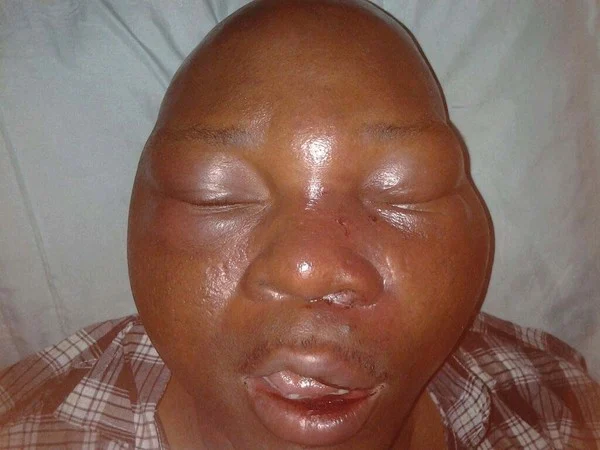
Smugglers beat a Journalist to stupor in Badagry, Lagos, State
The investigation will focus on the legal framework of the Nigerian Customs Service and its officers’ conduct.
The motion has been referred to the Committee on Customs and Excise.
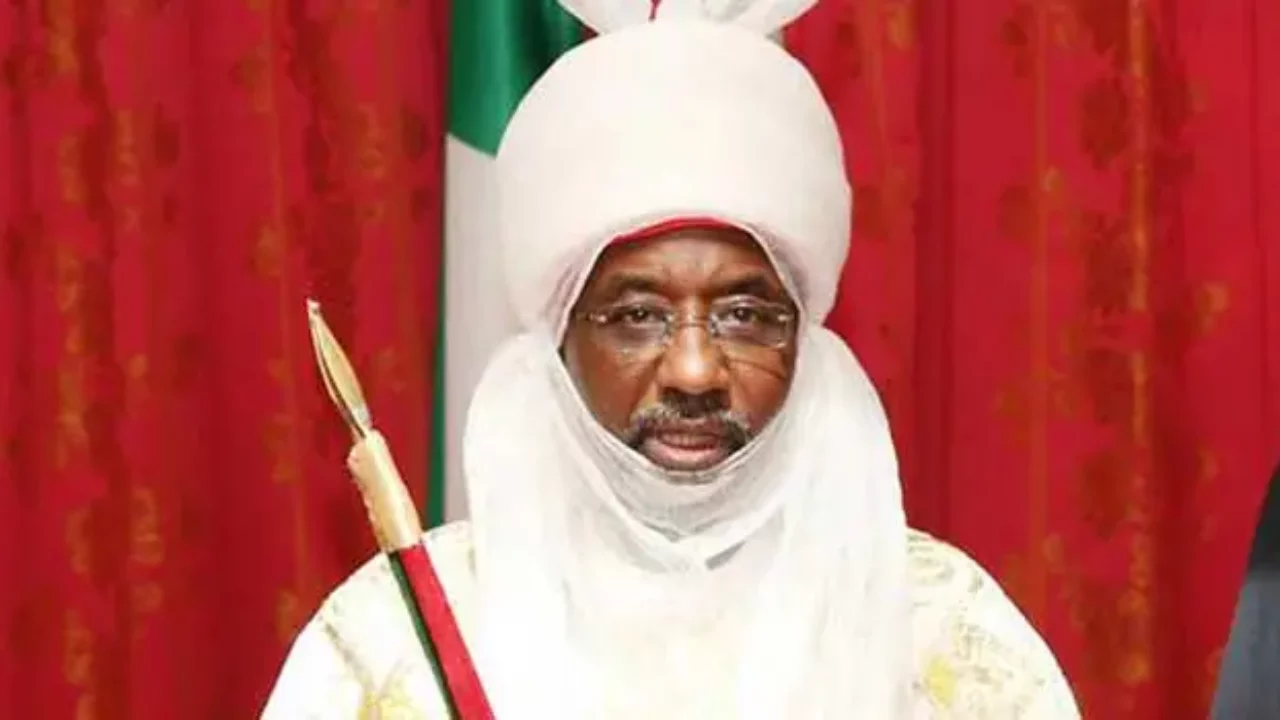
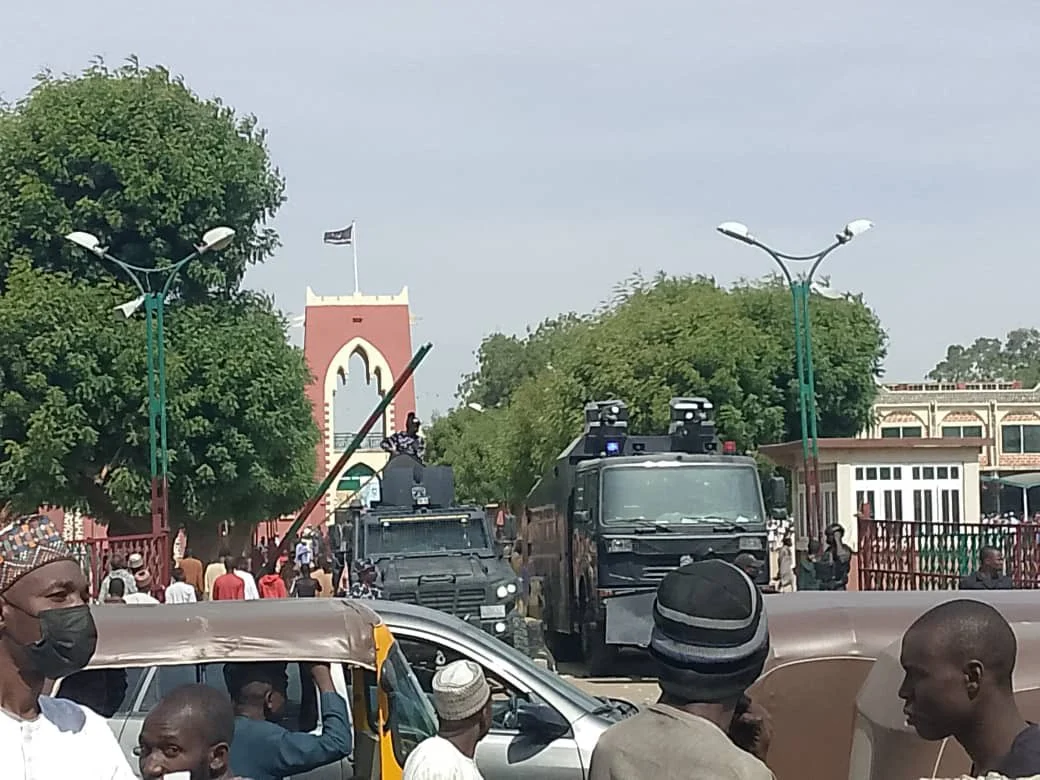
The 16th Emir of Kano, Muhammadu Sanusi II, has expressed confusion over the recent blockade of the Gidan Rumfa Palace in Kano, which took place last week.
Despite the police and Department of State Services (DSS) blocking the entrance and restricting movement, the reasons for the action remain unclear.
Sources revealed that the blockade might be linked to the appointment of Munir Sanusi as the new District Head of Bichi or a planned discussion on controversial tax reforms.
The Kano State Government has criticized the Federal Government for the security action, but the Emir emphasized that it should not distract from the important affairs of the palace.
Speaking to a delegation from Bichi, Sanusi reassured the people that the event would be rescheduled, and the District Head would be installed peacefully.
He urged Bichi residents to remain calm and peaceful, reflecting on his personal connection to the area where he spent much of his childhood vacations.
Sanusi, who has deep ties to the Bichi community, highlighted the area’s peaceful nature and strong educational and religious values.
He also mentioned the respect the people have for the Wambai Abubakar, further reinforcing his belief in the unity of the Bichi people.
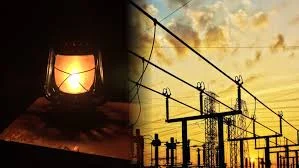
Unstable and highly epileptic, Nigeria’s power grid collapsed again today, making it the twelfth time this year alone.
The incident, reported at 2:09 PM, led to widespread power outages across the country.
The Abuja Electricity Distribution Company (AEDC) acknowledged the issue, attributing the outage to grid maintenance scheduled to last an hour.
The company assured customers that efforts were underway to restore supply and called for patience during the repair process.
This recurring issue continues to affect businesses and households, raising concerns about the stability of the power infrastructure.
Notorious for unstable service and exorbitant rates, Nigeria’s power supply system has been a major obstacle to the nation’s industrial development.
In April this year, the National Electricity Regulatory Commission (NERC) raised the electricity tariff for Band A customers from N68/kWh to N225/kWh, representing about a 240 per cent increase.
The Nigerian Senate has issued a strong warning to federal ministries, departments, and agencies (MDAs), threatening to withhold their 2025 budget allocations if they fail to provide comprehensive expenditure reports for 2024.
This decision follows widespread discrepancies in financial records and concerns over inefficient revenue management.
During a session led by the Senate Committee on Finance, chaired by Senator Sani Musa, lawmakers scrutinized the state of financial accountability across MDAs.
The committee flagged inconsistencies in revenue reports, poor budget performance, and delays in fund disbursements. Agencies such as the Nigerian National Petroleum Company Limited (NNPCL) and others were highlighted for discrepancies in remittances and dividends.
The committee also criticized the centralized payment system managed by the Accountant General’s office, attributing delays in project funding and execution to bureaucratic bottlenecks.
Lawmakers reported that contractors were allegedly pressured to pay unofficial fees to expedite payments, further eroding public trust.
In her defence, the Accountant General explained that the centralized system was designed to reduce inefficiencies and prevent unspent funds from being rolled over.
However, senators argued for more autonomy for MDAs while ensuring oversight to prevent misuse.
The Senate plans to summon additional stakeholders, including the Revenue Mobilization Allocation and Fiscal Commission (RMAFC) and the Nigerian Extractive Industries Transparency Initiative (NEITI), for a joint review of financial irregularities.
Deliberations on whether to reform or abolish the centralized payment system are also expected to address delays and inefficiencies in budget implementation.