Author: Doris Israel Ijeoma

  • CBN, EFCC in legal duel over a N2.7bn property forfeiture case

    CBN, EFCC in legal duel over a N2.7bn property forfeiture case

    The Central Bank of Nigeria (CBN) has pleaded with the Federal High Court, Abuja to throw out a case filed by the EFCC regarding the forfeiture of a property worth N2.7 billion.

    The property, located in the Karmo District of Abuja, was used as collateral for a loan given through the Nigeria Incentive-Based Risk Sharing System for Agricultural Lending (NIRSAL).

    The EFCC had earlier approached the court, seeking permission to temporarily seize the property while investigating Toks Properties Limited.

     The anti-corruption agency also requested approval to appoint someone to manage the property on behalf of the federal government during the investigation.

     In response, Justice Emeka Nwite granted the EFCC’s request in September 2024, barring any sale, lease, or transfer of the property.

    At a court session on Thursday, CBN’s lawyer, Joseph Abah, along with another legal representative from Salis Ventilated Homes Limited, sought permission to join the case as defendants.

     The CBN argued that it plays a key role in regulating banking activities and that the property in question was legally pledged as collateral for a loan under the Anchor Borrowers’ Programme (ABP).

    According to the CBN, in 2020, it provided a loan of over N3.8 billion to Sadolen Interworld Limited for rice farming. The loan, with a 12-month term, was backed by a third-party guarantee from Toks Properties Limited. 

    To secure the transaction, the property was placed under a legal mortgage, with its title documents handed over to NIRSAL.

     The CBN also stated that the surety had agreed in writing not to sell or transfer the property without prior approval.

    Since the loan has not been fully repaid, the CBN insists that the property remains tied to the loan and cannot be forfeited.

     The bank has requested the court to dismiss the EFCC’s case, arguing that seizing the property would violate its legal rights as the mortgage holder.

    During the hearing, Justice Nwite asked the CBN’s lawyer whether the EFCC had been served with the necessary court documents, to which Abah confirmed they had. 

    The EFCC’s legal team acknowledged receiving the documents but requested more time to respond. The agency clarified that it only sought to secure the property while investigations were ongoing.

    After listening to both sides, Justice Nwite scheduled the next hearing for May 21, 2025, to review all pending applications related to the case.
  • FG to prune number of prisons

    FG to prune number of prisons

    The Federal Government has revealed plans to reduce the number of correctional facilities across Nigeria, stating that the country does not need all 256 currently in operation. 

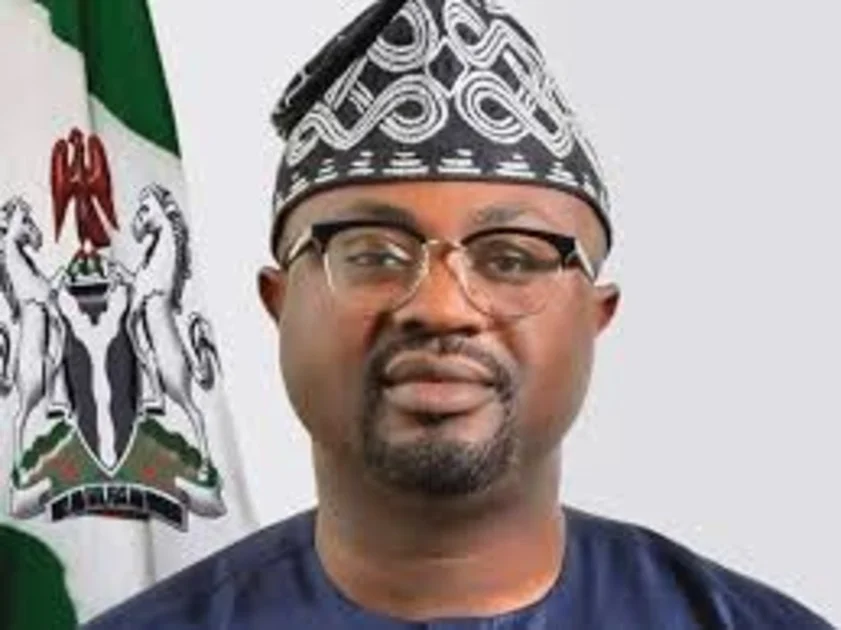
    This was announced by the Minister of Interior, Dr. Olubunmi Tunji-Ojo, during a public hearing in Abuja on allegations of corruption and other violations in the Nigerian Correctional Service.

    He pointed out that some facilities operate at just 30 to 40 percent of their capacity, while others are overcrowded.

     To manage this, the government plans to assess inmates convicted of federal crimes and relocate them to less congested facilities. 

    Since every state has a Federal High Court, redistribution of inmates would help balance the population across different locations.

    The minister also spoke about the poor treatment of inmates, stressing that such practices would no longer be accepted.

     He stated that correctional officers should focus on rehabilitation rather than punishment.

     He also suggested that personnel undergo psychological evaluations to ensure they handle inmates properly.

    He criticized the idea of incarceration without efforts at rehabilitation, saying correctional centers should not be places of condemnation. 

    The government, he added, is committed to reforms that will improve both the conditions of the facilities and the mindset of those who oversee them.

  • Nigerians are the sixth most terrorised people globally

    Nigerians are the sixth most terrorised people globally

    Nigeria has climbed to the sixth position in the 2025 Global Terrorism Index (GTI), moving up from eighth place in the previous two years. 

    The report, released on March 5, 2025, assessed the impact of terrorism worldwide, with Burkina Faso ranking as the most affected country, followed by Pakistan, Syria, Mali, and Niger.

    The data showed that Nigeria recorded 565 terrorism-related deaths in 2024, continuing an upward trend in fatalities.

     The number had previously dropped to 392 in 2022, the lowest since 2011, but it surged by 34% in 2023 and increased further in 2024. 

    While the global trend shows a decline in terrorism-related deaths since 2015, Nigeria’s situation appears to be worsening.

    One of the key concerns raised in the report was the growing presence of IS-Sahel, a terrorist group that has expanded its reach beyond its usual areas in Burkina Faso, Mali, and Niger.

     In 2024, the group carried out 16 attacks in Nigeria, in addition to several others in neighboring countries.

    The report also indicated that more countries are now experiencing terrorist attacks, with the number rising from 58 in 2023 to 66 in 2024, the highest level since 2018. 

    The Sahel region has become the most violent hotspot for terrorism, accounting for over half of the terrorism-related deaths worldwide last year. 

    The overall number of deaths linked to conflict in the region surpassed 25,000, with nearly 4,000 directly caused by terrorist attacks.

    Despite Burkina Faso maintaining its position as the most impacted country, the number of attacks and fatalities there declined in 2024. 

    However, Niger experienced a sharp rise in terrorism-related deaths, nearly doubling to 930 fatalities. 

    This shift raises concerns that any progress in the fight against terrorism in the region might only be temporary.

    The findings in the report paint a worrying picture of the security situation in Nigeria and the broader West African region. 

    With terrorist groups expanding their activities and more countries seeing a rise in attacks, tackling the growing threat remains a pressing challenge.

  • Labour Calls for Nationwide Protest Over Telecom and Electricity Tariff Hikes

    Labour Calls for Nationwide Protest Over Telecom and Electricity Tariff Hikes

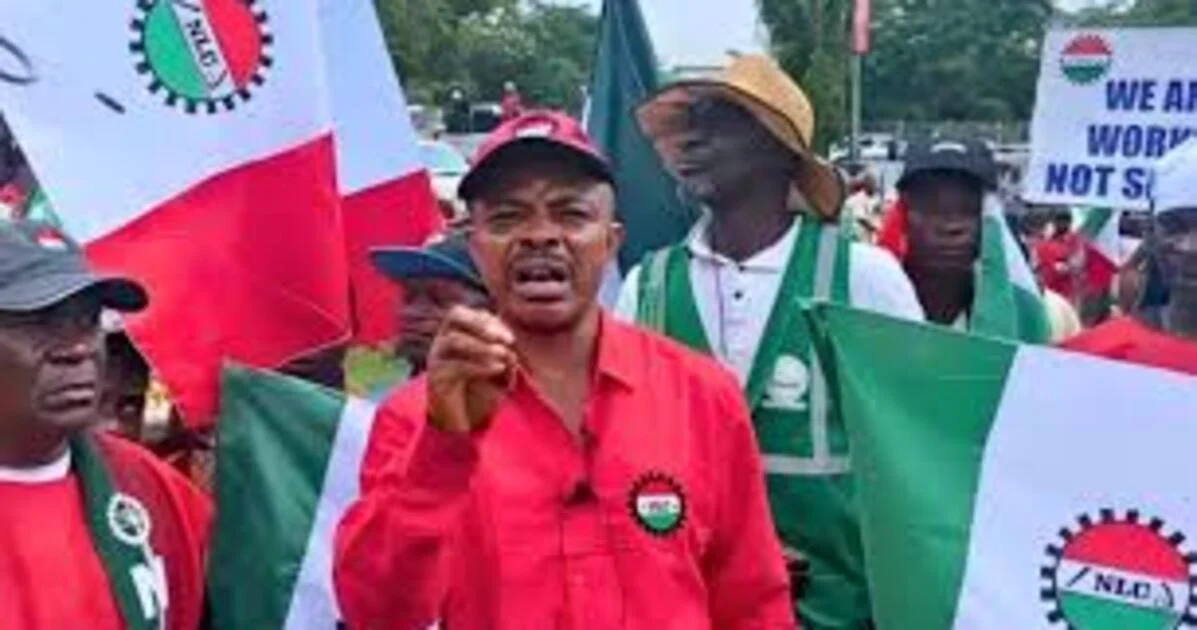
    The Nigeria Labour Congress (NLC) has warned the Federal Government of a nationwide protest if it moves forward with the proposed telecommunications and electricity tariff increases that go against previous agreements.

    The NLC has instructed all its branches to prepare for action if the government proceeds with the telecom tariff hike, which was initially set at 50%. 

    Despite reports suggesting that a compromise was reached, reducing the hike to 35%, telecommunications companies say they have not received any official communication about the reduction. 

    They claimed that without a formal notification from the Nigerian Communications Commission (NCC), they cannot act on the agreement.

    In addition to the telecom issue, the NLC has voiced strong opposition to the Nigerian Electricity Regulatory Commission’s (NERC) plans to reclassify electricity consumers.

     The NLC accused NERC of unfairly shifting consumers from lower to higher tariff bands, which would lead to higher bills.

     The union has declared that any further increase in electricity tariffs would lead to massive protests.

    The NLC also criticized the Minister of Power, Adebayo Adelabu, for overstepping his role and taking actions that should be handled by NERC. 

    The union has made it clear that they will not stand by while the government continues policies they consider harmful to the Nigerian public.

    The NLC’s recent decisions were made during a meeting in Yola, Adamawa State, where they also launched a new mass transit bus initiative for the North East Zone.

  • Akpabio’s Wife Sues Senator Natasha for Defamation, Seeks ₦250bn Damages

    Akpabio’s Wife Sues Senator Natasha for Defamation, Seeks ₦250bn Damages

    Unoma Akpabio, wife of Senate President Godswill Akpabio, has filed two lawsuits against Senator Natasha Akpoti-Uduaghan accusing her of defamation and violating her fundamental human rights.

    The legal battle stems from Akpoti-Uduaghan’s recent claims that her challenges in the Senate began after she rejected alleged sexual advances from the Senate President.

    In the first case (Suit No: CV/814/25), filed at the Federal Capital Territory High Court, Abuja, Mrs. Akpabio argued that the senator’s statements had subjected her and her children to emotional distress and fear for their safety. 

    She requested the court to rule that the allegations violated her right to dignity as enshrined in the Nigerian Constitution and the African Charter on Human and Peoples’ Rights. 

    She is demanding ₦250 billion in damages and a permanent injunction to prevent further statements from Akpoti-Uduaghan.

    In a separate defamation case (Suit No: CV/816/25), Mrs. Akpabio refuted the senator’s allegations against her husband, calling them false and malicious. 

    She claimed that the accusations had brought her family into public disrepute. As part of her demands, she is seeking ₦1 billion in damages and a court order compelling Akpoti-Uduaghan to publish a public apology in The Guardian and ThisDay newspapers.

    “The allegations have caused untold pain and emotional trauma to me and my family,” Mrs. Akpabio stated in her court filings.

    The court has not yet scheduled a hearing for the cases.

    Tensions between the lawmakers escalated after Akpoti-Uduaghan’s Senate seat was reassigned without prior notice, prompting her to protest during a plenary session. 

    The Senate later referred the issue to the Committee on Ethics, Privileges, and Public Petitions, led by Senator Neda Imaseun of Edo South, for investigation, with a two-week deadline for its report.

    In response, Akpoti-Uduaghan filed a ₦100 billion defamation lawsuit against Akpabio and his senior legislative aide, Mfon Patrick.

     Her legal counsel, Victor Giwa, argued that a Facebook post by Patrick titled “Is Local Content Committee of the Senate Natasha’s Birthright?” contained derogatory remarks implying that she viewed her Senate position as an opportunity to showcase makeup and revealing outfits. Giwa contended that the statement damaged her reputation among colleagues and the public.

    The controversy intensified when Akpoti-Uduaghan appeared on Arise Television’s Morning Show, where she reiterated her claims of sexual harassment against the Senate President. 

    She alleged that colleagues had warned her to accept the seat change, suggesting it was part of a broader plot against her.

    Mrs. Akpabio has strongly denied the allegations, dismissing them as baseless and false.

  • NYSC members yet to receive promised ₦77,000 allowance

    NYSC members yet to receive promised ₦77,000 allowance

    Corps members across Nigeria have expressed frustration after receiving their February stipend, which remained at ₦33,000 instead of the ₦77,000 they were expecting. 

    The delay contradicts earlier promises by the National Youth Service Corps (NYSC) and the federal government.

    In January, the NYSC Director-General, Brigadier General Yushau Ahmed, assured corps members that their allowance had been approved for an increase and that payments would reflect the adjustment once the 2025 budget was passed. 

    However, as February ended, the allowance remained unchanged, and no official statement has been issued to explain the delay.

    This situation has left corps members struggling to cope with the rising cost of living. 

    Many find it difficult to afford basic needs such as food, transportation, and housing due to the economic downturn.

     With inflation worsening and prices of essential goods soaring, the ₦33,000 stipend is no longer sufficient to cover daily expenses.

    Some corps members have voiced their disappointment, accusing the government of failing to keep its promises. 

    Many expected the increment to take effect immediately after the announcement but are now left in uncertainty.

    The continued delay has further fueled concerns about the government’s commitment to addressing economic challenges affecting young Nigerians.

     Corps members are now calling for urgent clarification and action to ensure they receive the promised allowance.

  • EFCC takes former Abia Gov, son, and three others to court

    EFCC takes former Abia Gov, son, and three others to court

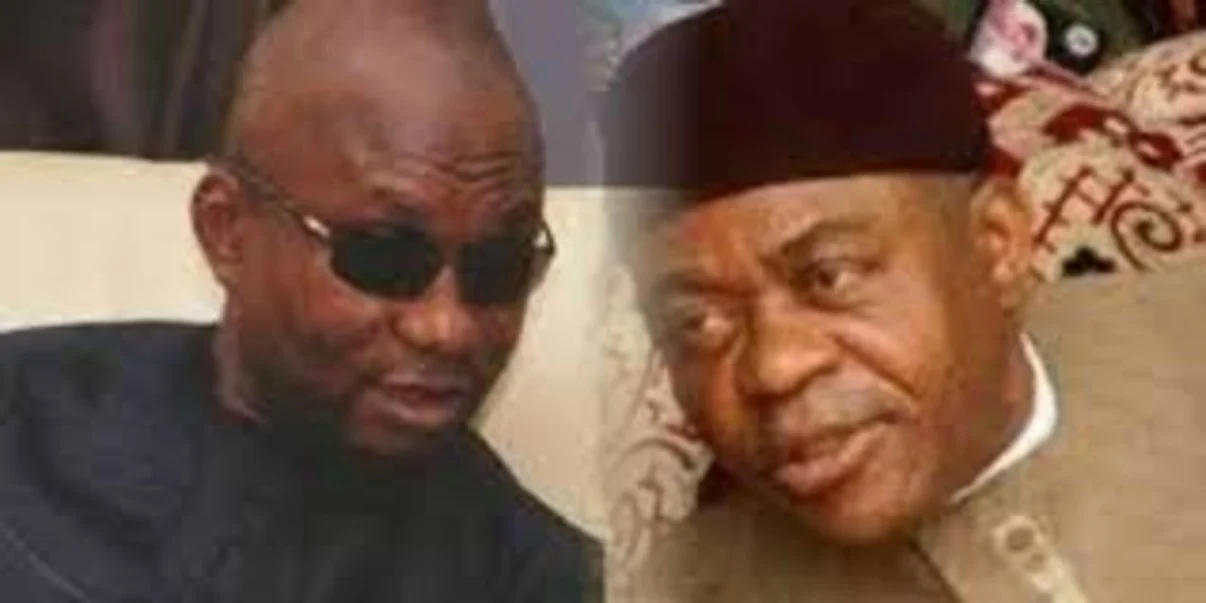
    The Economic and Financial Crimes Commission (EFCC) has taken former Abia State Governor, Senator Theodore Orji, his son, Chinedum Orji, and three others to court over alleged mismanagement of public funds.

     The case was heard at the Abia State High Court on Friday.

    The EFCC accused them of conspiracy and misuse of billions of naira meant for state development. 

    Others charged alongside them include former Finance Commissioner Dr. Philip Nto, former Director of Finance Romanus Madu, and a contractor, King Obioma.

    The charges, filed in October 2024, include allegations of misusing N22.5 billion security funds between 2011 and 2015, N2 billion meant for small and medium enterprises from the Central Bank, and N12 billion from the Paris Club refund.

    They were also accused of misusing N13 billion from a loan granted to the state by the former Diamond Bank.

    During the court session, all the defendants denied the charges.

    The judge granted them bail at N50 million each and set the next hearing for June 18 and 19, 2025, when the EFCC will present its case.

    One of the defence lawyers described the charges as excessive but expressed satisfaction that the court granted bail.

    The EFCC now has the responsibility of proving the allegations against the accused persons when the trial resumes.

  • APGA Schedules Anambra Governorship Primary for April 5

    APGA Schedules Anambra Governorship Primary for April 5

    The All Progressives Grand Alliance (APGA) has fixed April 5, 2025, for its governorship primary election in Anambra State.

    This is in preparation for the main governorship election set for November 8, 2025.

    According to the party’s National Organizing Secretary, Ifeanyi Mbaeri, the sale of Expression of Interest and Nomination Forms will start on February 28.

    Aspirants interested in contesting under APGA will pay N5 million for the Expression of Interest Form and N25 million for the Nomination Form.

    However, a five percent discount has been approved for female aspirants and persons with disabilities.

    The primary election will take place at Alex Ekwueme Square in Awka, where party members will gather for a special state congress.

    The screening of aspirants is scheduled for March 28 at APGA’s National Headquarters in Abuja.

    APGA has also released a provisional timetable for the entire election process.

    However, the party retains the right to adjust the dates if necessary.

    The decision aligns with the APGA Constitution and follows the timetable set by the Independent National Electoral Commission (INEC) for the upcoming governorship election in Anambra.

  • Senator Natasha Wants Senate Probe Aired Live

    Senator Natasha Wants Senate Probe Aired Live

    Senator Natasha Akpoti-Uduaghan, representing Kogi Central under the People’s Democratic Party (PDP), has requested that her Senate probe be aired live to ensure openness.

    She was referred to the Senate’s Ethics and Disciplinary Committee after a disagreement with Senate President Godswill Akpabio over seating arrangements. 

    While she is ready to appear before the panel, she insists that the process should not be conducted behind closed doors.

    In a statement shared on social media, Akpoti-Uduaghan mentioned that she had previously stayed silent on Senate matters but had now decided to speak up. 

    She called on Nigerians to pay attention to the proceedings, stressing her dedication to openness in governance.

    The senator also shared a petition from a group called Northern Youths Advocacy for Excellence (NOYAD), which accused her of corruption, breach of trust, and mistreatment of local content committee staff. 

    She stated that she only recently became aware of the petition.

    She also invited a national television station to host her for an open discussion, saying she is ready to answer any questions. 

    She urged Nigerians to watch the probe, insisting that it should be broadcast live.

    According to her, the coming days and weeks will be crucial in shaping leadership standards in Nigeria.

  • Foreign fraud rings spreading tentacles in Nigeria – EFCC warns  

    Foreign fraud rings spreading tentacles in Nigeria – EFCC warns  

    The EFCC has raised concerns over the growing presence of foreign fraud syndicates in Nigerian cities. 

    According to its chairman, Ola Olukoyede, these criminal groups are recruiting young Nigerians into cybercrime, particularly cryptocurrency fraud.  

    During a meeting with participants of the Executive Intelligence Management Course (EIMC) at the National Institute for Security Studies (NISS), Olukoyede revealed that these syndicates are not only engaging in online scams but may also be involved in smuggling weapons into the country. 

    He stressed that the illegal flow of arms and minerals is fueling insecurity.  

    Recent EFCC operations in Lagos led to the arrest of 194 foreigners from various countries, including China, the Philippines, Tunisia, and Eastern Europe.

    Many of them lacked valid visas and were conducting financial transactions primarily through cryptocurrency.

     Some of those arrested were already convicted criminals in their home countries who had fled to Africa for refuge. Investigations suggest that similar fraud networks are developing in other African nations.  

    The EFCC has called for stronger collaboration among security agencies across Africa to tackle cybercrime and money laundering. The agency stressed that addressing these threats is crucial for national and regional security.  

    Meanwhile, the National Institute for Security Studies commended the EFCC’s efforts in fighting corruption and financial crimes. 

    It acknowledged the agency’s role in uncovering hidden financial networks used to fund non-state actors, contributing to instability in Nigeria and beyond.

    The EFCC remains committed to dismantling these criminal networks and ensuring accountability.