Category: Economy

  • Discipline, dedication, benchmarks for implementing 2025 budget -Tinubu 

    Discipline, dedication, benchmarks for implementing 2025 budget -Tinubu 

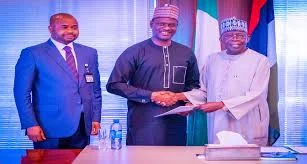
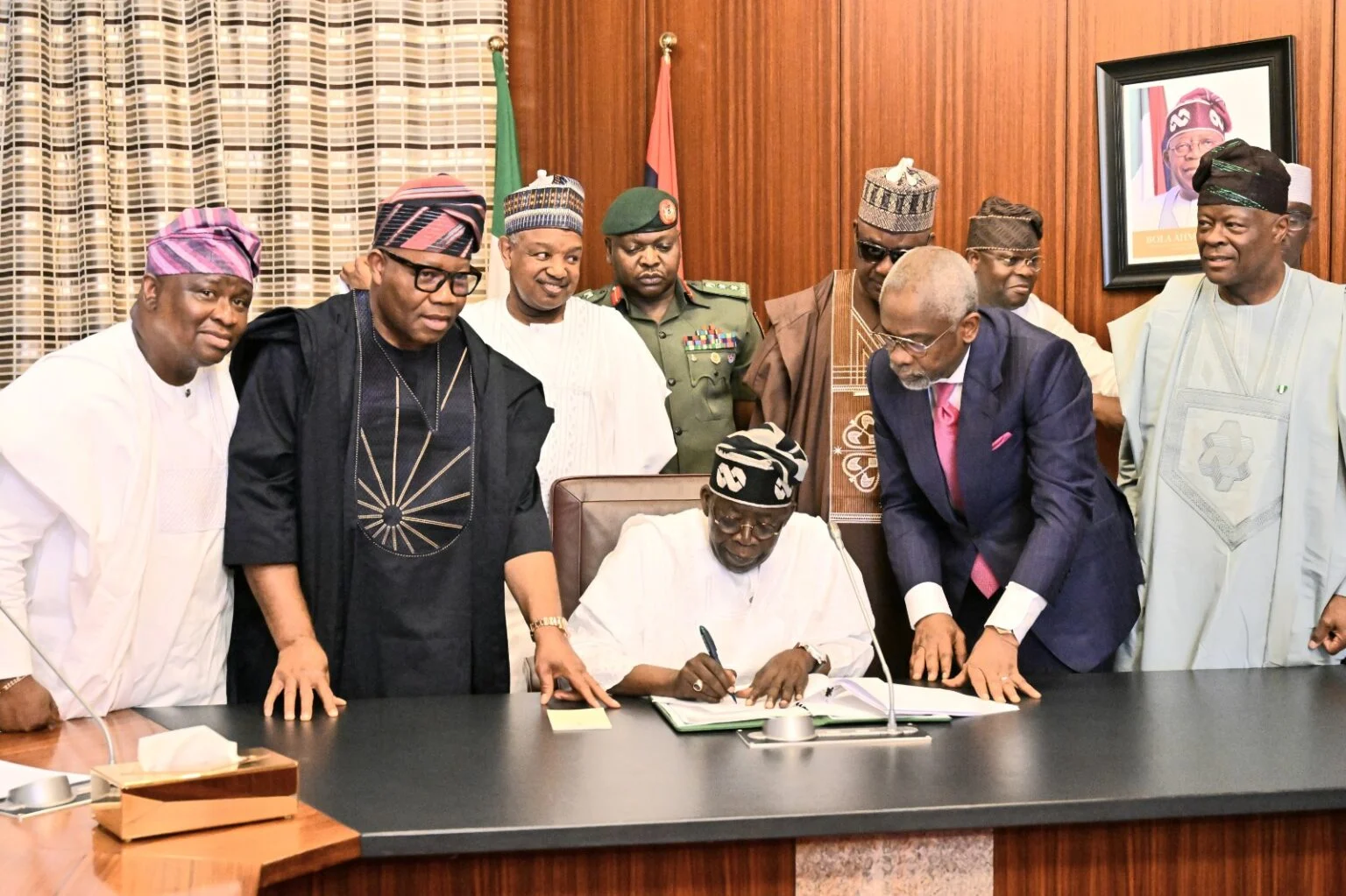
    President Bola Tinubu lists discipline, dedication and diligence as attributes most required as benchmarks for implementing the 2025 Budget of Restoration.

    He said the N54.99 trillion budget, which he signed into law on Friday at the Presidential Villa, Abuja, was based on projected revenues.

    Sen. Godswill Akpabio, President of the Senate, Mr Tajudeen Abbass, Speaker of the House of Representatives, and Sen. Solomon Adeola, Senate Committee Chairman on Appropriation, witnessed the budget signing ceremony.

    “Today, we take another bold step in our nation’s journey of economic recovery, stability, and growth with the signing of the 2025 Budget of Restoration.

    “We reaffirm our commitment to securing our future, rebuilding prosperity, and ensuring that every Nigerian shares in the dividends of governance.

    “The past year tested our resolve. But through economic discipline and strategic reforms, we achieved what many deemed impossible,” said the President.

    Tinubu noted that the uncertainty over the economy was gradually clearing as the reforms took shape, delivering a national GDP growth of 3.86 per cent in the last quarter of 2024, the fastest in three years.

    “Revenue increased to N21.6 trillion from N12.37 trillion, reflecting our drive for fiscal efficiency and the deficit reduced significantly – from 6.2 per cent in 2023 to 4.17 per cent in 2025.

    “Forex reforms restored investor confidence, stabilising our markets.

    “The minimum wage was raised to ₦70,000, strengthening the purchasing power of workers, and infrastructure development advanced rapidly, with transformative projects such as the 750km Lagos-Calabar Coastal Highway and the 1,068km Sokoto-Badagry Superhighway,” the President added.

    He thanked the leadership and members of the National Assembly for their collaboration in giving the appropriation bill speedy attention and passage.

    The President highlighted some priority areas in the budget, including National Security, Infrastructure and energy, Human Capital Development, healthcare, education, and skills development.

    He said the increased allocation for agriculture and food security would boost local food production and ensure that no Nigerian goes hungry.

    Similarly, he said, the enhanced budget for social welfare would support youths, women, and vulnerable citizens.

    “This budget is bold, ambitious, and necessary. However, let me be clear: We cannot spend what we do not have.

    “While we have significantly reduced the deficit, we must ensure that we back every naira spent with actual revenue.

    “We will not burden future generations with reckless borrowing. Instead, we will expand government revenues through efficiency reforms and enhanced earnings; accelerate public-private partnerships and foreign investments to finance key projects,” he said.

    Tinubu said every government agency would be held accountable for prudent spending and value-for-money initiatives.

    “To ensure smooth budget implementation, we will work with the National Assembly to redefine corrigenda within the Appropriations Act.

    “The redefinition will establish clear triggers for amendments, balancing executive needs with legislative oversight. A budget is not just numbers—it is a promise, and we must honour it with discipline,” the President added.

    Akpabio assured the President of the full support of the National Assembly in implementing the budget.

    He said the President inherited a “foaming economy” that needed urgent economic measures to recover.

    He affirmed that President Tinubu’s experience from Lagos and versatility in managing men and resources enabled the economy’s ongoing reforms and turnaround.

    Mr Wale Edun, the Minister of Finance and Coordinating Minister of the Economy, said the passing of the budget had been a collaborative effort based on consultation, negotiation and analysis.

    “The National Assembly has all along been partners in progress with you, Mr President,” he added.
  • Senate Approves Tinubu’s N54.9 Trillion Budget

    Senate Approves Tinubu’s N54.9 Trillion Budget

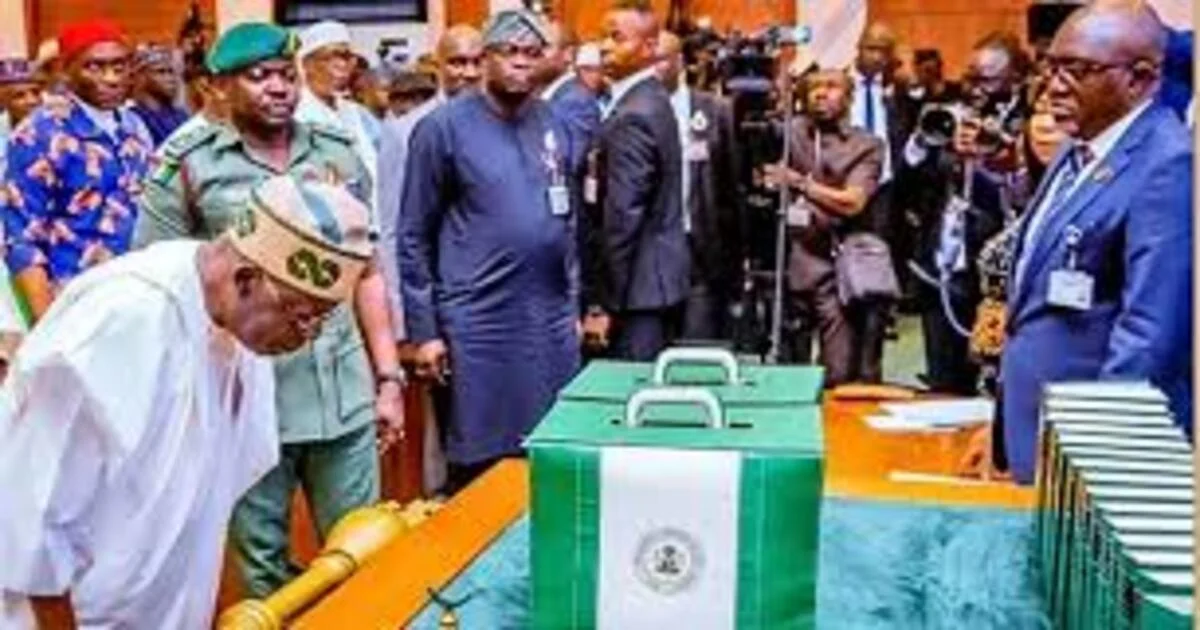
    The Nigerian Senate has passed the 2025 appropriation bill, thereby approving a budget of N54.9 trillion for the current fiscal year.

    The approval came on Thursday during a plenary session.

    The budget includes N3.6 trillion for statutory transfers and N14.3 trillion for debt servicing. 

    Recurrent expenditure is allocated N13.5 trillion, while N23.9 trillion is set aside for capital projects.

    Chairman of the Appropriation Committee, Senator Olamilekan Solomon Adeola, presented the final document.

     He noted that the delayed submission of the budget proposal affected its passage.

    He urged President Bola Tinubu to submit future budget proposals at least three months before the year’s end.

     This, he explained, would help maintain the January-to-December budget cycle.

  • FAAC: FG, Sub-nationals share N1.424 trn December 2024 revenue

    FAAC: FG, Sub-nationals share N1.424 trn December 2024 revenue


    In all, the Federal Government, states, and Local Government Councils (LGCs) have received N 1.424 trillion from the Dec. 2024 Federation Account Revenue.

    This is according to a statement by Bawa Mokwa, Director, Press and Public Relations, Office of the Accountant General of the Federation (OAGF).

    Mokwa said that the revenue was shared at the January Federation Account Allocation Committee (FAAC) meeting on Friday in Abuja.

    Meanwhile, a communiqué from the FAAC meeting said that the N1.424 trillion total revenue comprised statutory revenue of N386.124 billion, and Value Added Tax (VAT) revenue of N604.872 billion.

    It also comprised Electronic Money Transfer Levy (EMTL) revenue of N31.211 billion and Exchange Difference revenue of N402.714 billion.

    The communiqué indicated that total gross revenue of N2.310 trillion was available in Dec. 2024.

    It said that total deduction for cost of collection was N84.780 billion while total transfers, interventions, and refunds were N801.175 billion.

    “Gross statutory revenue of N1.226 trillion was received for Dec. 2024. This was lower than the sum of N1.827 trillion received in of Nov. 2024 by N600.988 billion.

    “Gross revenue of N649.561 billion was available from VAT in Dec. 2024. This was higher than the N628.973 billion available in Nov. 2024 by N20.588 billion,” it said.

    The communiqué said that from the N1.424 trillion total distributable revenue, the Federal Government received the total sum of N451.193 billion, while the state governments received the sum of N498.498 billion.

    It said that the LGCs received N361.754 billion, and a total sum of N113.477 billion (13 per cent of mineral revenue) was shared to the benefiting states as derivation revenue.

    “On the N386.124 billion statutory revenue, the Federal Government received N167.690 billion, and the state governments received N85.055 billion.

    “The LGCs received N65.574 billion, and the sum of N67.806 billion (13 per cent of mineral revenue) was shared to the benefiting states as derivation revenue.

    “From the N604.872 billion VAT revenue, the Federal Government received N90.731 billion, the state governments received N302.436 billion and the LGCs received N211.705 billion,” it said.

    It further said that a total sum of N4.682 billion was received by the Federal Government from the N31.211 billion EMTL.

    It said that the state governments received N15.605 billion, and the LGCs received N10.924 billion.

    “From the N402.714 billion Exchange Difference revenue, the communiqué said that the Federal Government received N188.090 billion, and the state governments received N95.402 billion.

    It said that the LGCs received N73.551 billion, while the sum of N45.671 billion (13 per cent of mineral revenue) was shared to the benefiting states as derivation revenue.

    It said that in Dec. 2024, VAT and EMTL increased significantly while Oil and Gas royalty, CET levies, excise duty, import duty, petroleum profit tax and companies income tax decreased considerably.

  • Tax Reform Bills: Group Urges Wider Consultation

    Tax Reform Bills: Group Urges Wider Consultation

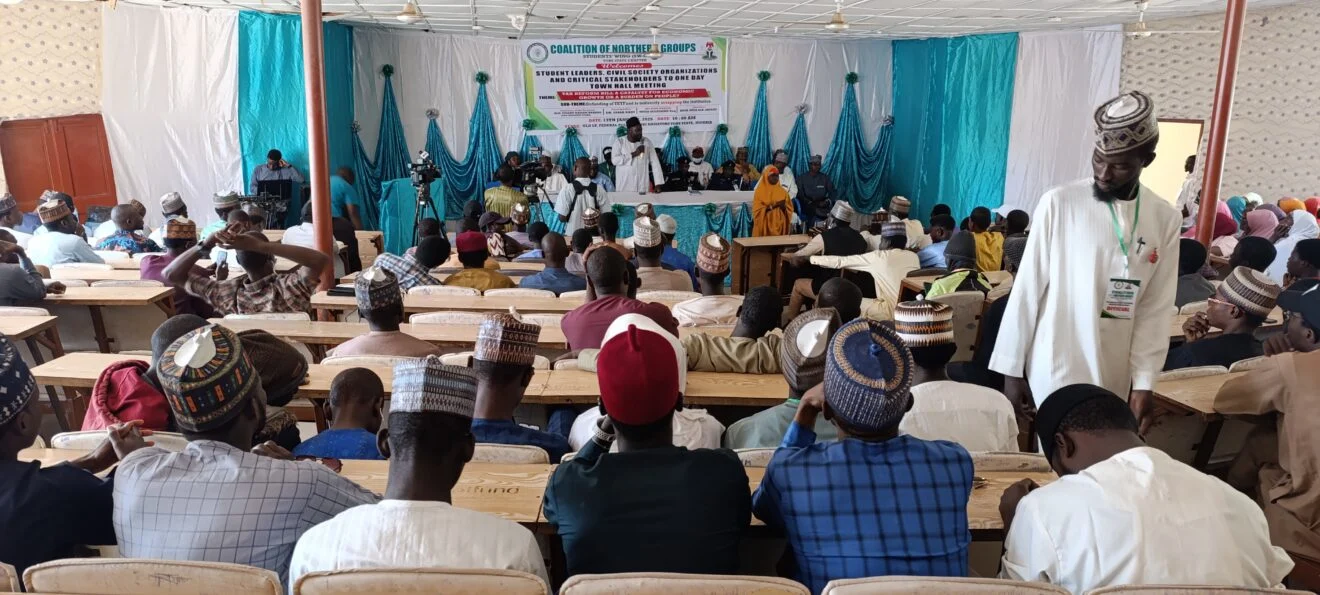
    A group, the Coalition of Northern Groups (CNG), has urged for a wider consultation with Nigerians on the Tax reform bill, before the National Assembly.

    Mr Jamilu Chiranchi, National Coordinator of CNG, made the call in his presentation at a forum in Damaturu, Yobe, with the theme: “Tax Reform Bill, a Catalyst for Economic Growth or a Burden on People?”

    He urged members of the national assembly to ensure adequate consultation as was done in passing the Petroleum Industry Bill to allay fears.

    Chiranchi, who identified several areas of concern in the bill, including the derivation formula in Section 77, said the formula required clarity on whether derivation should be based on the company’s headquarters or consumption level.

    He also expressed concern about Section 59, which proposed to stop funding development levies for agencies such as the National Information Technology Development Agency (NITDA), Tertiary Education Trust Fund (TETFund), and the National Agency for Science and Engineering Infrastructure (NASENI) by 2027.

    Chiranchi argued that these agencies have contributed significantly to Nigeria’s economic, infrastructural, educational, and technological development, and that stopping their funding would undermine their activities.

    Mr Hassan Adamu, National Coordinator of the Students Wing of CNG, also raised concern that the proposed stoppage of funding for TETFund would greatly affect Nigerian tertiary institutions.

    Miss Fatima Abubakar, North-East Coordinator of the National Female Association of Nigeria, also said that areas of the bill that affects funding of tertiary education, would worsen the already poor state of women’s education and participation in economic activities, especially in the northern region. 

  • Africa has what it takes to develop itself – Tinubu

    Africa has what it takes to develop itself – Tinubu

    At the risk of almost contradicting his choice of policies and other actions since assuming office, President Tinubu has declared that Africa has what it takes to develop itself.

    The President who has visited most important capitals in the industrialised north since assuming office less than two years ago in search of elusive Foreign Direct Investment made the assertion via a post on his X account.

    As some wonder whether this post reflects a change of policy direction or mere grandstanding, President Bola Tinubu doubled down, urging African leaders to look inward to improve intra-African trade in the interest of the people and the continent.

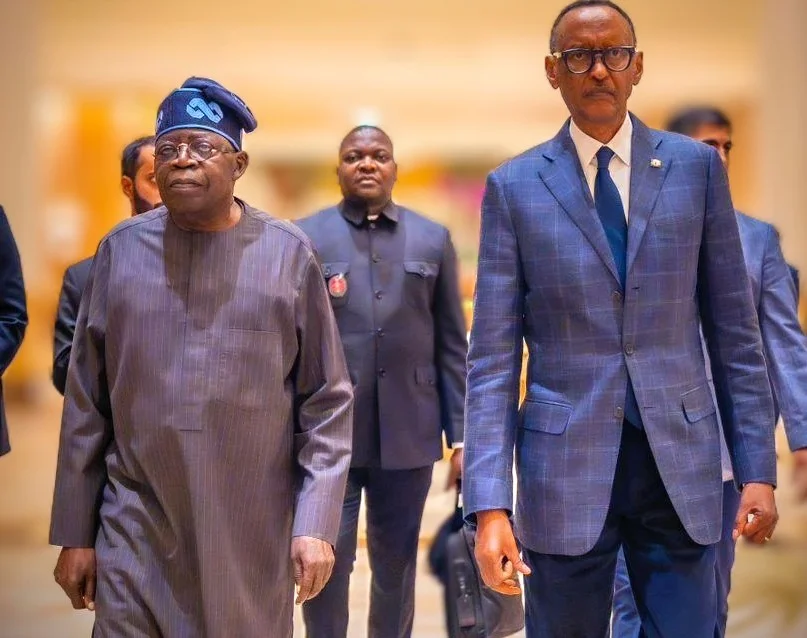
    The President made the post on Monday, adding that he had successful conversations with the Rwandan President, Paul Kagame, on the eve of the Abu Dhabi Sustainability Week (ADSW 2025).

    “We have the resources, the people and the capacity. We must look inward to improve intra-African trade and collaboration to benefit the African people and the continent.

    “The time for Africa is now. We can. We must. We will,” said Tinubu.

    The President departed Abuja on Jan. 11 to participate in the 2025 edition of Abu Dhabi Sustainability Week.

    Sheikh Mohamed Al Nahyan, President of the United Arab Emirates, invited President Tinubu to attend the Summit, which will take place in the Emirate from Jan. 12 to 18.

    The Summit is expected to bring together global leaders to accelerate sustainable development and advance socioeconomic progress.

    The event titled, ‘The Nexus of Next; Supercharging Sustainable Progress,’ will enable policymakers, business, and civil society leaders to explore pathways to fast-track the transformation to a sustainable economy and evolve a new era of prosperity for all.

  • Tinubu Tax Reform Bills: Buba Galadima Opens a Can of Warms

    Tinubu Tax Reform Bills: Buba Galadima Opens a Can of Warms

    • Says none of 36 state governors made input to the bills except Gov Sannwo-Olu of Lagos State and the Chairman of the Reform Committee, Taiwo Oyedele;
    • Both gentlemen drafted the Reform Bills;
    • Bills deliberately designed to favour Lagos and Ogun states;
    • Some members of the Committee have disowned the Bills.

    Engr. Galadima, an Elder statesman and stalwart of the NNPP says the Bills, in their present format have to be rejected because the process leading to its formulation lacks transparency.

    He said the bill is a contraption of Mr. Taiwo Oyedele, the Chairman of the tax reform committee and Mr. Babajide Sanwo-Olu, the Lagos State Governor, contending, the two of them practically wrote the bills before handing them over to President Tinubu.

    Engr. Galadima said that in fact, all members of the committee from other parts of the country have already disowned the bills because they discovered that the final bill did not reflect the contributions submitted by the various sub-committees.

    Engr. Galadima who spoke as a guest of This Day Live, a programme on Arise TV. chided Dr. Reuben Abati whom he accused of deploying divisive narratives that had the tendency to pit regions of the country against each other.

    Galadima also stressed that the bills will never be allowed to scale through in their present format because of the approach of President Tinubu and his recent statement of ‘no going back.”

    He also accused the committee and President Tinubu of over reaching themselves by veering into the subject of derivation or revenue sharing, which is a constitutional issue.

    Contributing to the subject, Professor David Aworawo of the University of Lagos disagreed with the committee on several aspects of the Bill.

    He referred to a provision in the Bill which stated that by 2030 funding to the Tertiary Education Trust Fund (TETFUND) shall cease and be diverted to the National Education Loan Fund (NELFUND), saying that provision alone goes to show that the committee lacked adequate knowledge of contemporary Nigeria.

    Contending, Prof Aworawo explained that most modern physical structures in tertiary institutions in Nigeria are funded by TETFUND, asking, “If you phase out TETFUND and utilise the money as loans to students, where will they stay to receive the lectures?”

    Reacting to the position of Mr. Galadima, Taiwo Oyedele confirmed that members of the committee only met with the Governor of Lagos, who ended being the only governor that made input to the bills.

    He said even though the committee met with Mr. Uba Sani, the Governor of Kaduna state, they did not succeed in discussing the subject matter of the tax reform bills.

    He said that the committee did not succeed in having any engagement with the remaining 35 state governors.

    Mr. Oyedele said that at inception, the committee had planned to meet with a governor from each of the six geo-political zones of the country but succeeded in meeting with the Lagos state governor alone.

  • 1000 CBN Staff Resigned Voluntarily – CBN

    1000 CBN Staff Resigned Voluntarily – CBN

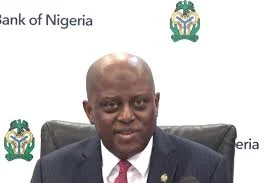
    In December 2024, around 1000 staff members of the Central Bank of Nigeria (CBN) voluntarily left their positions, as confirmed by Governor Olayemi Cardoso.

     Contrary to claims that the departures were forced, the CBN emphasized that the exits were initiated by the staff themselves.

    During a recent hearing by the House of Representatives Committee, Bala Bello, the CBN’s Deputy Director of Corporate Services, clarified that the decision to leave was part of a restructuring process aimed at improving operational efficiency.

     The voluntary exits allowed the bank to realign its workforce to better meet its current needs, especially in light of the global shift toward digitization.

    The programme was not a response to internal pressure but rather an opportunity for staff members who had reached a career plateau to pursue other ventures.

     Some individuals leaving the bank have plans to start their own financial institutions. 

    The process was opened to all levels, a first in the bank’s history, and those who chose to stay continue their roles without coercion.

    The CBN also addressed concerns about the N50 billion in severance benefits for the departing employees, stressing that these payments were part of the regular process for voluntary departures.

     The bank has previously carried out similar exercises, though this was the first time the initiative was extended to such a large group.

    The House committee has pledged to conduct a thorough investigation into the matter.

    It would be recalled however, that late in 2024, the Central Bank of Nigeria had offered a N50billion incentive targeted at 1000 staff of all cadres.

    Insider sources revealed however that those targeted were given deadlines to take the offer or get whatever comes their way, meaning they could be sacked.

  • New Tax Bill Will Ease Burden on Workers  – FG Replied NLC 

    New Tax Bill Will Ease Burden on Workers  – FG Replied NLC 

    The Presidential Committee on Fiscal Policy and Tax Reforms has assured Nigerian workers of favorable provisions in the proposed tax reform bills. 

    Despite concerns raised by the Nigeria Labour Congress (NLC), which called for more consultations on the bills, the committee highlighted that the reforms prioritize the welfare of employees, particularly those in low-income brackets.  

    According to the committee, individuals earning less than ₦1 million annually will be exempted from personal income tax, benefiting about one-third of workers across the public and private sectors.

     Workers with annual earnings up to ₦20 million will also see reduced tax rates, extending relief to an additional 60% of the workforce.  

    Special exemptions have been outlined for members of the armed forces engaged in combating insecurity, reflecting targeted relief measures in the reforms.  

    The committee encouraged the NLC to engage in discussions for further refinement of the bills, emphasizing the potential of the reforms to bring tangible benefits to Nigerian workers if implemented effectively.

    Analysts have however, observed that what the lower income earners gain in the form of tax exemption may be expended on the higher cost of goods and services due to the transfer of burden by goods and service providers who shall be paying higher taxes.

  • Nigeria Must Diversify to Avoid Economic Vulnerability, Says Speaker

    Nigeria Must Diversify to Avoid Economic Vulnerability, Says Speaker

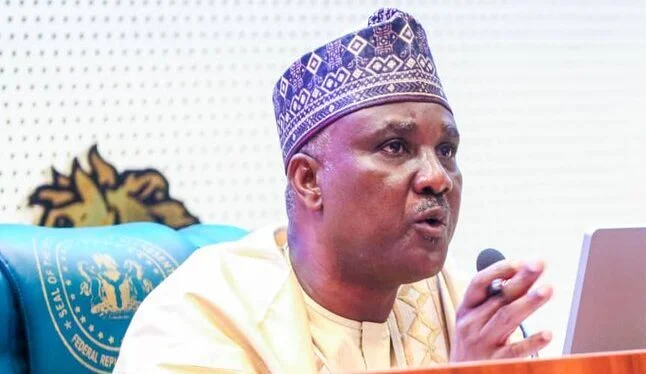
    The Speaker of the House of Representatives, Tajudeen Abbas, warned that Nigeria’s continued dependence on oil threatens the country’s economic stability and exacerbates issues like poverty and unemployment. 

    Speaking at the 14th convocation of Al-Hikmah University in Ilorin, Abbas called for a shift away from oil by tapping into the nation’s vast resources and human capital to drive economic diversification.

    Abbas stressed that with declining oil revenues and a global pivot to renewable energy, Nigeria must focus on sectors such as agriculture, solid minerals, technology, and the creative industries to create jobs and foster long-term growth. 

    He pointed to countries like Saudi Arabia, Malaysia, and the UAE as examples of successful diversification through strategic policies and investments.

    He also emphasized the need for targeted reforms and investments in infrastructure, education, and technology, urging both government and private sector involvement to create a more resilient economy.

    Universities, Abbas added, should play a central role in research and fostering innovation to support this transformation, while encouraging youth to embrace opportunities in entrepreneurship and emerging sectors.

  • Bauchi Gov Challenges Tinubu To Rethink Tax Reform Bills

    Bauchi Gov Challenges Tinubu To Rethink Tax Reform Bills

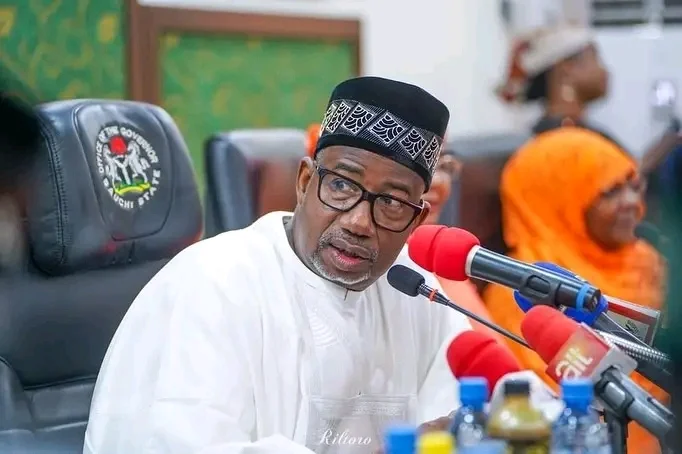
    Governor Bala Mohammed of Bauchi State has raised concerns over the Federal Government’s proposed tax reforms, warning that they could worsen economic challenges, particularly in Northern Nigeria. 

    Speaking during a meeting with the Christian community in Bauchi, the governor criticized the approach taken by President Bola Tinubu’s administration, calling for policies that align with the needs of the people.  

    He argued that the reforms risk creating financial strain in the region, making it difficult to fund essential projects and pay salaries.

     He urged leaders to be more responsive to public feedback and cautioned against policies perceived as imposing hardship.  

    “We are calling on the presidency and the Federal Government to change their style. Whenever a policy is not popular, they should listen to the people. They should not be arrogant and think that whatever they bring must be. This is not an oligarchy; this is not a military rule; they must listen to the people, and that is what makes a good leader.

    “And we pledge to be loyal to them, but anything they are doing contrary to that, they are calling for anarchy; they are calling for intransigence, and it is unacceptable. There is a lot of wahala; we must work together across party lines and across the tiers of government to provide succour and solace to the Nigerian people,” he said.

    Governor Mohammed also acknowledged the support of the Christian community in Bauchi for his administration, emphasizing the need for unity and fairness in governance across religious and political divides. 

    He pledged continued efforts to address the needs of all residents, irrespective of their backgrounds.