Author: Caroline Ameh

  • Intel AI Programme Propels African DeepTech Ecosystem Forward

    Intel AI Programme Propels African DeepTech Ecosystem Forward

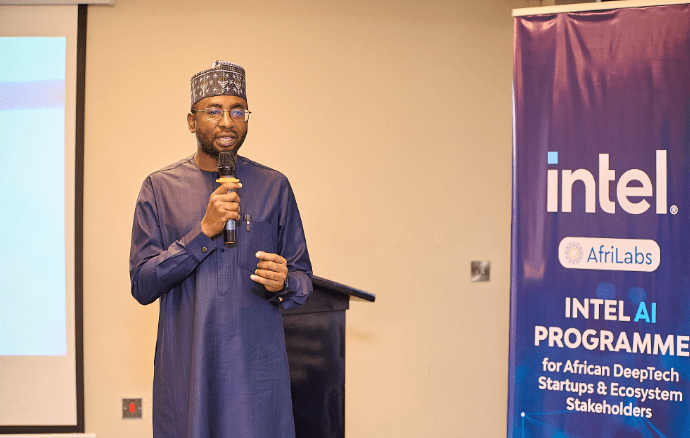
    In a collaborative effort to drive innovation and foster growth of Africa’s DeepTech ecosystem, Intel and AfriLabs celebrated the successful conclusion of the Intel AI Programme for African DeepTech Startups & Ecosystem Stakeholders.

    Held in Abuja from March 5th to 7th, 2024, the event served as a pivotal platform for stakeholders to explore the transformative potential of DeepTech across the continent.

    The event, organized by AfriLabs in collaboration with Intel, aimed to propel growth and innovation in Nigeria’s DeepTech ecosystem. Participants from diverse backgrounds including government officials, industry experts, startups, developers, and ecosystem stakeholders convened to explore the challenges, opportunities, and prospects of DeepTech in Africa.

    The event commenced with opening remarks from esteemed government officials and representatives from Intel and AfriLabs. Dr. Bienvenu Agbokponto Soglo, Director of Government Affairs Africa and IGA CTO Liaison at Intel set the stage with an insightful presentation on the socio-economic and policy implications of DeepTech in Africa. This was followed by a thought-provoking panel discussion featuring high-level representatives from the National Information Technology Development Agency (NITDA), the Nigerian Communications Commission (NCC), Intel, and other industry partners, moderated by Jennifer Okeke-Ojiudu, Senior Ecosystem Engagements Manager at AfriLabs. The session provided valuable insights into the challenges and opportunities facing the DeepTech ecosystem in Africa. Finally, day one culminated with a High-Level Roundtable Discussion on AI Policy, facilitated by Dr. Bienvenu Agbokponto Soglo of Intel, engaging the Director-General of the National Centre for Technology Management, other Government Officials and AI Ecosystem Stakeholders.

    Day two of the event focused on empowering startups, developers, and innovation hubs with the tools and resources needed to thrive in the AI landscape. Highlights included an introduction to the Intel® Liftoff for AI Startups Program, presentations on the Intel Developer Cloud and OneAPI initiative, and valuable lessons learned from industry experts. The day concluded with presentations from leading innovation hubs, further enriching the discourse on DeepTech entrepreneurship and innovation in Nigeria.

    The final day of the event centered on building vibrant startup communities and fostering collaboration among ecosystem stakeholders. Keynote addresses by notable figures such as Ajibola Odukoya, Chief Operating Officer at AfriLabs, and Dr. Kashifu Inuwa Abdullahi, Director-General of NITDA, set the tone for engaging discussions on the role of government in driving innovation in Africa. Presentations from various innovation hubs underscored the importance of community-building and collaboration in nurturing Africa’s burgeoning DeepTech ecosystem.

    Dr. Kashifu Inuwa Abdullahi, Director-General of NITDA, emphasized the importance of collaboration and shared vision in his address: “When I learned of the aims and objectives of this workshop, my enthusiasm for our ecosystem was truly ignited.

    At NITDA, we firmly believe that no single entity can navigate this landscape alone; collective effort is imperative. Our vision for Nigeria is one of digital empowerment, innovation-driven prosperity, and inclusive economic growth fostered by technology. The global AI race has commenced, and the nation’s leading it will shape the future. Africa, with its abundant talent and youthful population, is poised to play a significant role. In Nigeria, our path is clear: AI is our journey, our goals are defined, and our determination is unwavering.”

    Reflecting on the event’s success, Anna Ekeledo, Executive Director at AfriLabs, remarked, “This collaboration has provided a platform for meaningful engagement, knowledge-sharing, and collaboration, laying the groundwork for future innovation and growth across Africa.”

    As the curtains close on the Intel AI Programme for African DeepTech Startups & Ecosystem Stakeholders, the legacy of collaboration, innovation, and empowerment lives on. Looking ahead, the journey continues as Africa’s DeepTech community embarks on a path of growth, resilience, and boundless possibilities.
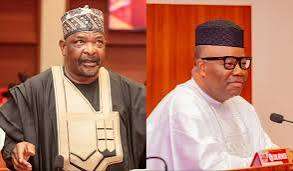
  • BudgIT Confirms Senator Ningi’s Concerns Over N3.7 Trillion Budget Padding

    BudgIT Confirms Senator Ningi’s Concerns Over N3.7 Trillion Budget Padding

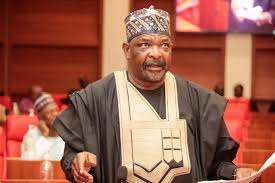
    Sen Abdul Ningi’s observation that there was lack of a detailed breakdown for approximately N3.7 trillion of the N28.78 trillion 2024 budget has been confirmed as valid, and the senate may have erred by suspending the senator.

    BudgIT co-founder, Mr. Seun Onigbinde affirmed the validity of the claim by the senator representing Bauchi Central via a TV interview monitored by Nigerian Anchor news in Abuja.

    During an interview with Channels Television on Wednesday, Onigbinde emphasized that Senator Ningi’s assertions align with BudgIT’s findings, shedding light on discrepancies within the budgetary allocations.

    Senator Ningi’s initial remarks, made in an interview with BBC Hausa over the weekend, sparked controversy as he alleged a disparity between the budget passed by the National Assembly and the one implemented by the Presidency. He claimed that while the National Assembly approved a budget of N25 trillion, the Presidency was executing a budget totaling N28.7 trillion.

    In subsequent statements to the press in Abuja on Monday, Senator Ningi reiterated his stance, expressing readiness to face any consequences for his disclosures. He stood firm on his assertion that N3.7 trillion lacked proper documentation regarding project allocation within the 2024 budget.

    Addressing the issue, Senator Ningi stated, “We have established beyond reasonable doubt that N25 trillion so far has nexus in the budget. That means that there is money, there is a project, and there is a location. But we are yet to ascertain N3 trillion of that budget.”

    Furthermore, Onigbinde highlighted that certain “statutory elements” within the budget lacked comprehensive analysis. Specifically, allocations for bodies such as the National Assembly, National Judicial Council (NJC), Independent National Electoral Commission (INEC), and Tertiary Education Trust Fund (TETFund) were noted to lack detailed breakdowns.

    “On that point, Senator Ningi is right,” Onigbinde affirmed. “There are components of the budget where there is no breakdown.”

    He emphasized the importance of transparency, advocating for detailed public disclosure of expenditures by these entities. BudgIT’s analysis revealed transparency issues amounting to approximately N3.5 trillion to N3.7 trillion, corroborating Senator Ningi’s concerns.

    In light of these revelations, there is a growing call for increased accountability and transparency within budgetary allocations, particularly in sectors where detailed breakdowns are lacking. Senator Ningi’s bold stance has ignited discussions surrounding fiscal responsibility and transparency in governance.

  • Senate Suspends Senator Ningi Over Allegations of N3.7 Trillion Budget Padding

    Senate Suspends Senator Ningi Over Allegations of N3.7 Trillion Budget Padding

    In a startling development, the Nigerian Senate has suspended Senator Abdul Ningi, who serves as the Chairman of the Senate Committee on Population and represents Bauchi Central under the platform of the Peoples Democratic Party. The suspension, effective immediately, will last for three months. This decision follows allegations of budget padding amounting to a staggering N3.7 trillion in the 2024 budget, leveled against Ningi.

    The controversy surrounding Senator Ningi’s actions ignited a fierce debate within the Senate, with demands for a thorough investigation into the accusations. However, several northern senators swiftly distanced themselves from Ningi’s claims, asserting that his statements did not reflect their position on the matter. Despite facing opposition, Ningi stood firm in his assertion that the astronomical figure could not be accounted for within the budgetary framework.

    During a contentious plenary session, Senator Olamilekan Adeola, the Chairman of the Senate Committee on Appropriations, introduced a motion to address what he perceived as baseless accusations made by Ningi. This prompted a meticulous scrutiny of Ningi’s statements, including a review of the transcript from his interview with Hausa BBC.

    Senator Jimoh Ibrahim proposed a 12-month suspension for Ningi, along with a cautionary warning for Senator Sumaila Kawu, while Senator Chris Ekpeyong countered with an amendment suggesting a reduced suspension period of six months. Amidst the deliberations, another senator advocated for a three-month suspension, further fueling the debate within the Senate chambers.

    As the Senate grapples with this contentious issue, Nigerians eagerly await further developments and the eventual resolution of this matter.

  • Nigerian Senate in rowdy session Over Alleged N3.7 Trillion Budget Padding

    Nigerian Senate in rowdy session Over Alleged N3.7 Trillion Budget Padding

    The Nigerian Senate finds itself in a maelstrom of controversy as allegations of N3.7 trillion budget padding reverberate through its hallowed halls. The tumultuous episode was ignited by Abdul Ningi, Chairman of the Northern Senators Forum, whose assertions during a BBC Hausa interview sent shockwaves through the legislative body, sparking fervent debates and discord.

    Ningi, seeking to clarify his remarks, attributed the misunderstanding to linguistic barriers but conceded to enlisting a consultant to scrutinize the budget. The consultant’s findings, revealing the absence of clear allocations for approximately N3.7 trillion, further fueled the flames of contention within the Senate.

    The revelations prompted a cacophony of impassioned exchanges and procedural maneuvers as senators grappled with the gravity of the allegations. Solomon Adeola Olamilekan, Chair of the Senate Committee on Appropriation, lamented what he perceived as an infringement on his rights as a participating senator in the budgeting process, calling for swift action to restore integrity to the proceedings.

    Presenting transcripts and recordings of Ningi’s interview, Olamilekan underscored the urgency of the situation, urging his colleagues to address the matter decisively. Several senators echoed his sentiments, emphasizing the need to safeguard the credibility of the budgetary process.

    In response, Abdul Ningi mounted a defense, refuting claims of explicit accusations and highlighting discrepancies in budget allocations among senatorial districts. His assertions, however, elicited mixed reactions, with some senators advocating for a fair hearing while others condemned what they perceived as a breach of decorum.

    Senate President Godswill Akpabio intervened, urging unity and decorum among senators while expressing dismay over the handling of the situation by consultants commissioned to review the budget.

    As tensions continued to simmer, senators grappled with the implications of the allegations, highlighting the imperative of upholding transparency and accountability in governance.

  • Budget Padding: Northern Senators Distance Themselves from Allegations

    Budget Padding: Northern Senators Distance Themselves from Allegations

    In response to recent allegations made by Senator Ahmed Abdul Ningi regarding the 2024 budget, the Northern Senators Forum (NSF) has issued a statement distancing themselves from his claims. Senator Ningi, who chairs the forum, made remarks on the BBC Hausa Service alleging budget padding, which the NSF vehemently refutes.

    According to the NSF, there was no mandate given to Senator Ningi to address the press on the matter, and his views were deemed as personal opinions that do not represent the stance of the Northern Senators. The forum highlights that the budget was presented to the National Assembly by President Bola Ahmed Tinubu in accordance with constitutional requirements and was diligently debated and passed by both chambers.

    Contrary to Senator Ningi’s assertion of a N25 trillion budget, the NSF clarifies that the budget passed was N28.7 trillion, allowing for adjustments in appropriations to address critical projects and services. The forum asserts that there was no budget padding involved in the process.

    Expressing solidarity with President Tinubu, the NSF emphasizes the need for collaboration across ethnic lines to address the challenges facing Nigeria. They pledge to work with colleagues from the southern part of the country to advance the nation’s prosperity.

    The NSF concludes by distancing themselves from Senator Ningi’s actions, labeling them as “grossly unparliamentary,” and reiterates their commitment to supporting efforts aimed at moving the country forward for the benefit of all citizens.

  • Senate Forms Ad-Hoc Committee to Probe Financial Controversies

    Senate Forms Ad-Hoc Committee to Probe Financial Controversies

    Amidst mounting controversies surrounding the financial operations of the Buhari administration, senate president, Sen. Godswill Akpabio has inaugurated the Senate Ad-Hoc Committee on Ways and Means on Monday.

    The committee’s primary mandate, driven by concerns over fund management, includes a thorough investigation into the utilization of resources, notably focusing on the Anchor Borrowers’ Programme and other financial avenues.

    In his address to stakeholders, the Senate President emphasized the critical need for transparency, accountability, and good governance, especially in light of recent financial controversies. He highlighted the significance of the committee’s mandate and urged members to execute their duties diligently and professionally, prioritizing the interests of the Nigerian people.

    The establishment of the committee followed consultations with the Federal Government’s Economic Management Team and a subsequent report by the Joint Committees on Banking, Insurance and other Financial Institutions; Finance; National Planning; Agriculture; and Appropriations. The report identified concerns and irregularities in fund utilization, prompting decisive action from the Senate.

    Furthermore, the Senate President reiterated the importance of the committee’s task amidst ongoing financial debates in Nigeria. He expressed confidence in the committee’s ability to conduct thorough investigations and called for a commitment to justice, fairness, and the public good.

    Senator Isah Jibrin (Echocho), appointed as the committee’s chairman, emphasized the significance of the Ways and Means controversy and assured Nigerians of a thorough and impartial investigation. He urged stakeholders to cooperate and provide necessary documents for scrutiny.

    The committee, composed of distinguished senators, is poised to embark on its mission to investigate and address concerns regarding fund management in Nigeria, guided by principles of transparency, integrity, and accountability.

    Members of the committee include:

    1. Senator Isah Jibrin (Chairman)
    2. Senator Sahabi Ya’u (Vice Chairman)
    3. Senator Adamu Aleiro
    4. Senator Adetokunbo Abiru
    5. Senator Asuquo Ekpeyong
    6. Senator Mohammed Tahir Monguno
    7. Senator Victor Umeh
    8. Senator Solomon Olamilakan
    9. Senator Sani Musa
    10. Senator Abdul Ningi
    11. Senator Aliyu Wadada
    12. Senator Ipalibo Banigho
    13. Senator Jimoh Ibrahim
    14. Senator Ibrahim Mohammed
    15. Senator Joel Thomas Onowakpa
    16. Senator Dafinone Ede
    17. Senator Aminu Iya Abbas
    18.

  • Finance Minister Blames Buhari Administration’s Reckless Money Printing for Inflation Surge

    Finance Minister Blames Buhari Administration’s Reckless Money Printing for Inflation Surge

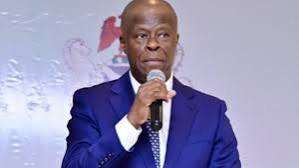
    In a startling revelation, the Minister of Finance, Mr. Wale Edun has pointed fingers at the Buhari administration for Nigeria’s current inflation crisis, attributing it to the irresponsible printing of money.

    During a session with the Senate Committee on Finance, Edun disclosed that between 2015 and 2023, the Central Bank of Nigeria printed a staggering N22.7 trillion for the Federal Government through Ways and Means overdrafts.

    Edun emphasized that this massive money printing spree was not accompanied by corresponding increases in productivity, leading to the inflationary pressures the country is grappling with today.

    He cited a lack of restraint in spending the N30 trillion amassed through Ways and Means under the previous administration as a significant factor contributing to Nigeria’s food and security challenges.

    Acknowledging the Senate’s resolve to investigate the utilization of these funds, Edun assured the committee of the government’s commitment to addressing the underlying causes of inflation and fiscal imbalance. He outlined measures aimed at bolstering revenue generation without resorting to unsustainable practices, such as excessive money printing or undue borrowing.

    Edun commended the Senate for its support in tackling fiscal challenges and pledged to address loopholes in import duty waivers to enhance the country’s fiscal resilience. Despite the current economic hurdles, he expressed optimism about the government’s ability to implement effective policies that would stabilize inflation rates and foster sustainable economic growth.

  • Israeli-Palestinian Conflict Escalates: Rising Death Toll and Detentions

    Israeli-Palestinian Conflict Escalates: Rising Death Toll and Detentions

    As the Israeli-Palestinian conflict continues to escalate, the Gaza Strip is witnessing a surge in casualties and detentions. According to reports, the death toll in Gaza has risen sharply, with 228 women, 460 children, and 56 journalists among those detained. Palestinian authorities have reported over 7,270 arrests in the Occupied West Bank, further exacerbating tensions in the region.

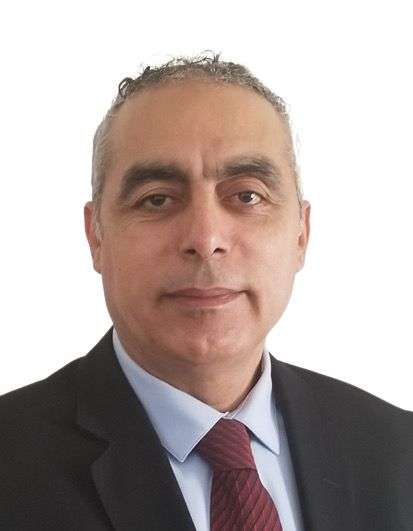
    During a press conference at the Palestine Embassy in Abuja, Ambassador Abdullah Shawesh expressed grave concerns about the humanitarian crisis unfolding in Gaza. He highlighted the dire situation faced by over two million Palestinians, emphasizing the urgent need for international intervention to prevent irreparable harm.

    Quoting the Ministry of Education, Shawesh said in the last 144 days, 5427 students were martyred, 5379 in Gaza and 48 in the OWB, while 9193 were injured, 8888 in Gaza and 305 in the Occupied West Bank(OWB), 97 were arrested in the OWB, including East Jerusalem. 255 teachers and administrative staff were martyred and 891 were injured in the Gaza Strip.

    The detention of thousands of Palestinians, including women, children, and journalists, has raised international concerns about human rights abuses. Reports of torture and ill-treatment in Israeli prisons have further fueled outrage and condemnation.

    “The clock is ticking fast towards famine and an outbreak of epidemics. The lives and health, physical and mental, of the women and girls of Gaza are severely compromised.

    “The scale and gravity of the humanitarian catastrophe caused by Israel’s relentless bombardment, destruction and suffocating siege puts more than two million Palestinians of Gaza at risk of irreparable harm.

    “Israel turns ‘safe’ corridor to Gaza’s south into a trap to kill hungry, forcibly displaced Palestinians.”

    As of yesterday, the death toll in the Gaza Strip was 29,878 Martyrs, with 70,215 injuries and around 8,000 people still missing under the rubble.
    Additionally, UN experts have expressed credible claims of sexual assault against Palestinian women in detention, calling for an immediate investigation into these allegations.

    Meanwhile, Israeli Prime Minister Benjamin Netanyahu’s post-war plan for Gaza has been met with criticism from Palestinian officials and the United Nations. The plan, which aims to maintain Israeli security control and restrict Palestinian autonomy, has been denounced as a hindrance to the peace process.

    The international community has been urged to cease arms exports to Israel, with UN experts warning of potential violations of international humanitarian law. Calls for humanitarian access to Gaza have intensified, as the region faces the looming threat of famine and widespread starvation.

    Former Israeli Premier Ehud Olmert has condemned Netanyahu’s government, accusing it of ethnic cleansing and advocating for further violence in the West Bank. Olmert’s remarks underscore the deepening divisions and escalating tensions in the region, raising concerns about the prospects for peace and stability.

    As the conflict continues to unfold, the plight of the Palestinian people remains a pressing humanitarian crisis, requiring urgent and concerted international action to alleviate their suffering and bring about a lasting resolution to the conflict.

  • Senate urges police to recover 36 children trafficked out of FCT…calls on the social department of the FCT to ensure that the registration of orphanages and shelter be properly checked and verified

    Senate urges police to recover 36 children trafficked out of FCT…calls on the social department of the FCT to ensure that the registration of orphanages and shelter be properly checked and verified

    The Senate has ordered the Nigerian Police Force to immediately rescue 36 children who were abducted and believed to be trafficked out of the federal capital territory (FCT).

    This is as it requested that the National Agency for the Prohibition of Trafficking in Persons (NAPTIP) establish systems to prevent child trafficking throughout the nation.

    It also urged the social department of the FCT to ensure that the registration of orphanages and shelter be properly checked and verified.

    The resolutions were sequel to the adoption of a motion sponsored by Senator Ireti Kingibe (LP, FCT) during Thursday’s plenary.

    Moving her motion, Kingibe disclosed that four (4) out of the Forty (40) children abducted were recovered from a lady known as Success Nwako.

    “On February 18, 2024, a complaint alleging illicit activities bordering on stealing, abduction and trafficking of children perpetrated by one Madam Success Nwako of the Gwagwalada, Kwali, and Kuje area councils, was addressed to me in a letter forwarded by the missing children parents association (MCPA), an NGO based in Gwagwalada area council,” she said.

    “It was alleged that the ugly menace started in the wake of 2018 and continued unabated to date in spite of relentless efforts to stem the tide of this ugly scenario.

    “On the 4th of January, 2024, Madam Success was apprehended by the police with the help of a vigilante group along the Gwagwalada expressway with two abducted children.

    “Upon investigation by the police, it was unraveled that the abduction and stealing of children were carried out by a syndicate , nd this led to the arrest of three accomplices, while others are at large.”

    In his contribution, Senator Oyewumi Olalere (PDP, Osun West) said, “I just want us to commend the effort of the Nigerian Police, the vigilante and the good synergy that exist between them that led to the arrest of the woman in question.”

  • Parliamentary Staff Association Advocates  passage of Harmonised Retirement Age Bill

    Parliamentary Staff Association Advocates passage of Harmonised Retirement Age Bill

    In response to the ongoing legislative discourse surrounding the retirement age for staff of the National Assembly Service, the Parliamentary Staff Association of Nigeria (PASAN), National Assembly Chapter, has issued a statement urging the Senate to consider and pass the Harmonised Retirement Age for Staff of National Assembly Service in Nigeria Bill, 2024.

    The association highlights the history of the issue, citing the extension of the retirement age to 65 years or 40 years of service by the 8th National Assembly, which was subsequently reversed due to inconsistencies with existing legislation.

    Following consultations and the introduction of various bills, the current iteration, introduced by the 10th House of Representatives, has gained significant support within the legislative body.

    Emphasizing the importance of this legislation, the association underscores the need to address the shortage of qualified staff within the Legislative Arm of Government, which has been exacerbated by instability in career progression and adherence to Public Service Rules.

    They argue that increasing the retirement age will help fill this vacuum and maximize the knowledge and experience of existing staff, while also building the capacity of younger staff members.

    Furthermore, the association draws parallels with similar legislation in other sectors, such as the Harmonised Retirement Age for Teachers in Nigeria Act, 2022, and the Retirement Age of Staff of Polytechnics and Colleges of Education (Harmonisation) Act, 2012, to highlight the necessity of aligning retirement policies with international best practices.

    Also, the Parliamentary Staff Association of Nigeria urges the Senate to pass the Harmonised Retirement Age for Staff of National Assembly Service in Nigeria Bill into law, emphasizing its significance in stabilizing and developing capacity within the National Assembly Service, sustaining democracy, and upholding the doctrine of separation of powers.