Author: Caroline Ameh

  • Senate Denies Anambra State NDDC Membership

    Senate Denies Anambra State NDDC Membership

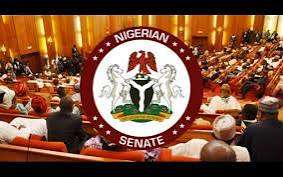
    The Senate has dismissed a proposal to add Anambra State to the membership of the Niger Delta Development Commission (NDDC), leading to a tense debate among lawmakers.

    The rejection came after Senator Tony Nwoye, representing Anambra North, presented a bill seeking an amendment to the NDDC Act to include Anambra State. Senator Nwoye argued that Anambra, as an oil-producing state, deserved membership in the NDDC, citing its consistent receipt of 13% derivation since 2021.

    However, his proposal faced resistance from several senators who argued that the NDDC primarily serves as a regional or geographical intervention body and is not solely for oil-producing states. Senator Jibrin Isah, popularly known as Echocho, pointed out that Kogi State, also an oil-producing state, had been receiving 13% derivation since October 2022.

    The debate escalated as Senator Nwoye and Senator Echocho clashed over the inclusion of Kogi State in the discussion. Echocho urged Nwoye to focus on Anambra’s case and not drag Kogi into the argument.

    Attempting to provide clarity, Senate President Godswill Akpabio cautioned against the potential implications of granting Anambra State NDDC membership, suggesting that it could set a precedent for other states like Lagos, which also have oil wells, to demand inclusion.

    Akpabio also noted that the National Boundary Commission would need to assess whether Anambra’s proximity to the Niger Delta warranted its membership in the commission.

    Following the contentious deliberations, the bill for Anambra State’s inclusion in the NDDC membership was put to a voice vote, with a majority of senators voting against it, effectively shelving the proposal for the time being.
  • New Health Insurance for FCT Residents

    New Health Insurance for FCT Residents

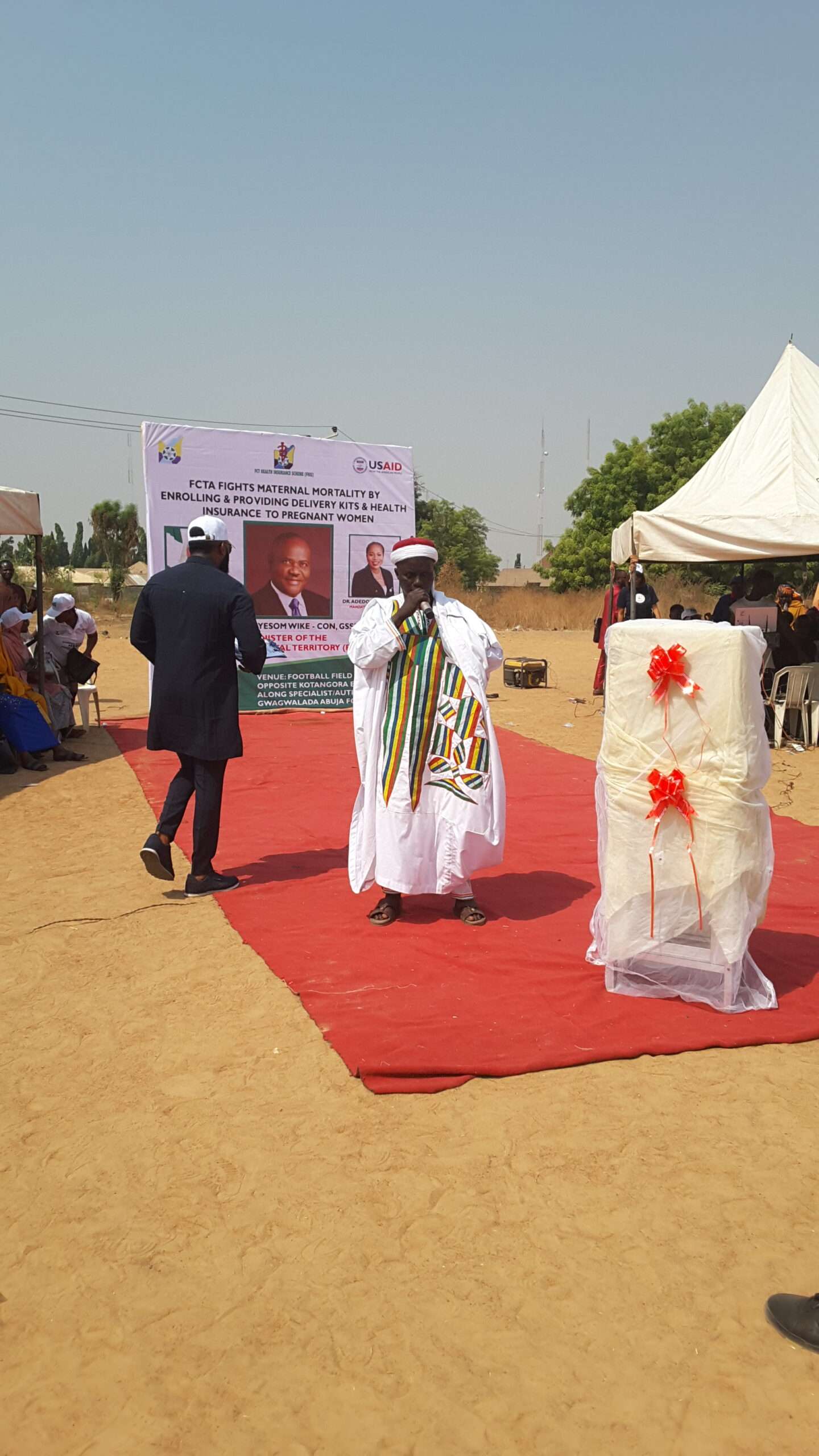
    In a move aimed at enhancing healthcare accessibility and reducing financial barriers, the Federal Government has introduced the Federal Capital Territory (FCT) Health Insurance Scheme (FHIS) to residents across the FCT’s six area councils.

    The scheme, designed to prioritize the healthcare needs of marginalized groups, offers subsidized enrollment and free registration for the poor and vulnerable.

    Dr. Mohammed Danfulani, Director of the FCT Health Insurance Scheme, announced the commencement of enrollment during a sensitization drive held in Gwagwalada for Abaji, Kuje, Kwali, and Gwagwalada area councils. Residents can enroll in the scheme for an annual fee of N13,500, with provisions in place for those unable to afford the cost.

    “The Federal Government’s commitment ensures that every individual, irrespective of financial status, gains access to essential healthcare services through the FHIS,” stated Dr. Danfulani, highlighting the nationwide implementation of similar initiatives.

    Addressing concerns regarding service delivery, Pharmacist Adedeji Fatai, Head of the Monitoring and Evaluation Unit at FHIS, assured the public of stringent quality control measures to uphold standards across healthcare facilities.

    Community leaders, including Estu Sule Dobi, the District Head of Dobi in Gwagwalada area council, praised the scheme’s introduction and advocated for comprehensive awareness campaigns to reach remote communities.

    Grace Johnson, a beneficiary of the scheme, commended the FCT leadership for the efficient enrollment process, signaling widespread acceptance among residents.

    Additionally, as part of its support measures, the Federal Health Insurance Scheme distributed delivery kits to expectant mothers in the FCT, underscoring its commitment to maternal and child healthcare.

    The launch of the FCT Health Insurance Scheme represents a significant stride towards achieving universal healthcare coverage and improving health outcomes for FCT residents. With its emphasis on inclusivity and quality assurance, the scheme is poised to address healthcare disparities and promote well-being across the region.

  • INEC Partners Foreign Bodies to Launch Guidelines for Digital and Social Media Use in African Elections

    INEC Partners Foreign Bodies to Launch Guidelines for Digital and Social Media Use in African Elections

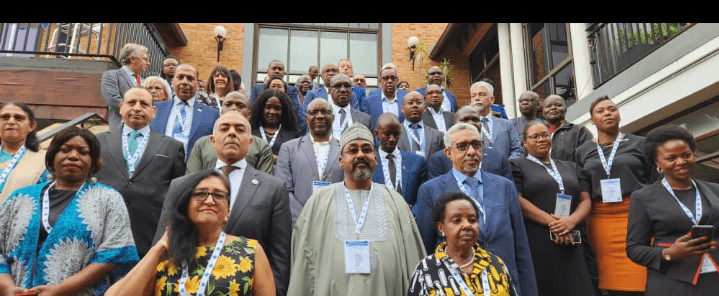
    In a concerted effort to enhance electoral processes across Africa, the Independent National Electoral Commission (INEC) of Nigeria has partnered with the Association of African Election Authorities (AAEA) and the Independent Electoral Commission (IEC) of South Africa to introduce comprehensive guidelines for the effective utilization of digital and social media during elections.

    The unveiling of the Principles and Guidelines for the Use of Digital and Social Media in Elections in Africa occurred over a three-day period, from Tuesday, 27th February to Thursday, 29th February, 2024, in Johannesburg, South Africa.

    Dr. Sa’ad Umar Idris, the Director-General of INEC’s Electoral Institute, represented the Nigerian electoral body at the event, which brought together stakeholders to deliberate on strategies for leveraging social media while mitigating potential risks associated with evolving digital technologies.

    The genesis of these guidelines can be traced back to the inaugural Continental Conference for Election Management Bodies held in Cape Town, South Africa, in March 2020. Themed “Safeguarding Electoral Integrity in the Digital Age: Strategies for Combatting Digital Disinformation,” the conference, jointly organized by the Electoral Commission of South Africa, the African Union Commission (AUC), and the United Nations Development Programme (UNDP), laid the groundwork for extensive consultations with EMBs and electoral stakeholders across Africa to formulate a robust framework.

    The newly introduced principles emphasize the pivotal role of social media in bolstering the credibility of Election Management Bodies (EMBs) and fostering public trust during electoral processes.

    Additionally, they underscore the importance of responsible journalism and accountability among social media platform owners and users to counteract the risks of misinformation and manipulation.

    The collaborative endeavor between INEC, AAEA, and IEC signifies a proactive approach towards addressing the evolving challenges of electoral integrity in the digital era. By advocating for responsible digital engagement, African EMBs aim to uphold democratic principles and promote transparent electoral practices across the continent.

  • Senate Advocates Introduction of Food Stamp Program to Combat Food Insecurity

    Senate Advocates Introduction of Food Stamp Program to Combat Food Insecurity

    In response to the growing incidence of food insecurity in Nigeria, the Senate has proposed the implementation of a food stamp program akin to what obtains in the United States. The resolution, put forth during Tuesday’s plenary session, emphasizes the need for immediate action to mitigate the impact of various factors contributing to the crisis, including conflicts, climate change, inflation, and currency devaluation.

    Senator Ali Ndume (APC, Borno South) spearheaded the motion titled, “Introduction of food stamps in Nigeria as an interim measure to address imminent food insecurity in the country,” with co-sponsorship from Senator Saliu Mustapha (APC, Kwara Central). Ndume underscored the urgency of the situation, citing projections from the October 2023 Cadre Harmonisé Analysis indicating that approximately 26.5 million Nigerians could face severe food insecurity in 2024.

    Highlighting the multifaceted nature of the issue, Ndume pointed to ongoing conflicts, adverse effects of climate change, skyrocketing inflation rates, and the devaluation of the national currency as key drivers of food insecurity. In response to these challenges, the Senate advocated for the adoption of a food stamp program modeled after the successful initiative in the United States.

    Senator Sani Musa (APC, Niger East) echoed Ndume’s sentiments, drawing parallels between the proposed Nigerian food stamp program and its American counterpart. He emphasized the potential of such a program to provide crucial assistance to vulnerable segments of society.

    To operationalize this initiative, the Senate directed the Federal Ministry of Agriculture to collaborate with development partners and relevant stakeholders, notably the Lagos Food Bank Initiative. The latter organization gained recognition for its Temporary Food Assistance Programme (TEFAP) in previous years, offering valuable insights and expertise in the implementation of food assistance programs.

    The Senate’s proactive stance on addressing food insecurity through the introduction of a food stamp program reflects a concerted effort to safeguard the well-being of the populace. By leveraging partnerships and drawing inspiration from successful models, Nigeria aims to bolster its resilience against the challenges posed by food insecurity.

  • Nigerian Senate Establishes 43-Member Committee for Constitution Review

    Nigerian Senate Establishes 43-Member Committee for Constitution Review

    The Nigerian Senate has taken a decisive step towards addressing the longstanding need for constitutional reform by inaugurating a 43-member committee tasked with reviewing the 1999 Constitution of the Federal Republic of Nigeria.

    Chaired by Deputy Senate President Jibril Barau, with Senate Leader Bamidele Opeyemi serving as Vice Chairman, the committee comprises 43 Senators representing each state of the federation, including the Federal Capital Territory (FCT), as well as an additional six members representing the country’s geopolitical zones and all female senators of the 10th Senate.

    In his announcement, Senate President Godswill Akpabio emphasized the urgency of revisiting the 1999 constitution, highlighting the necessity for a major review to better serve the interests of Nigerians. Akpabio further directed the Deputy Senate President to engage Speakers of State Houses of Assembly in preparatory discussions prior to commencing the review process.

    During the inaugural address, Committee Chairman Jibril Barau outlined the committee’s strategic approach, emphasizing collaboration with the House of Representatives and state Houses of Assembly to achieve comprehensive results.
    Barau underscored the importance of consulting with stakeholders from diverse sectors to ensure the success of the review process, clarifying that the committee’s objective is to amend select sections of the constitution for the benefit of the Nigerian populace.

    Echoing Barau’s sentiments, Senate Leader Bamidele Opeyemi affirmed the committee’s commitment to delivering tangible outcomes, acknowledging the critical juncture in the nation’s history and assuring Nigerians that the committee’s work would not adhere to conventional practices. Opeyemi emphasized the inclusion of stakeholders from academia, political groups, and other interest groups in the committee’s deliberations.

    Additionally, lawmakers emphasized the importance of adhering to timelines and collaborating with the executive branch to ensure a holistic approach to constitutional reform. Representatives assigned to the committee from each geopolitical zone include Senator Adamu Aliero (NW), Senator Orji Kalu (SE), Senator Fadahunsi Francis (SW), Senator Bomai Muhammed (NE), Senator Barinad Mpigi (SS), and Senator Umar Sadiq Suleiman.

    The Senate review committee aims to identify pertinent sections of the constitution requiring amendment to address contemporary national challenges, with inputs solicited from various stakeholders to inform the revision process.

  • University of Abuja, NIDCOM Partner to Enhance Migration Management

    University of Abuja, NIDCOM Partner to Enhance Migration Management

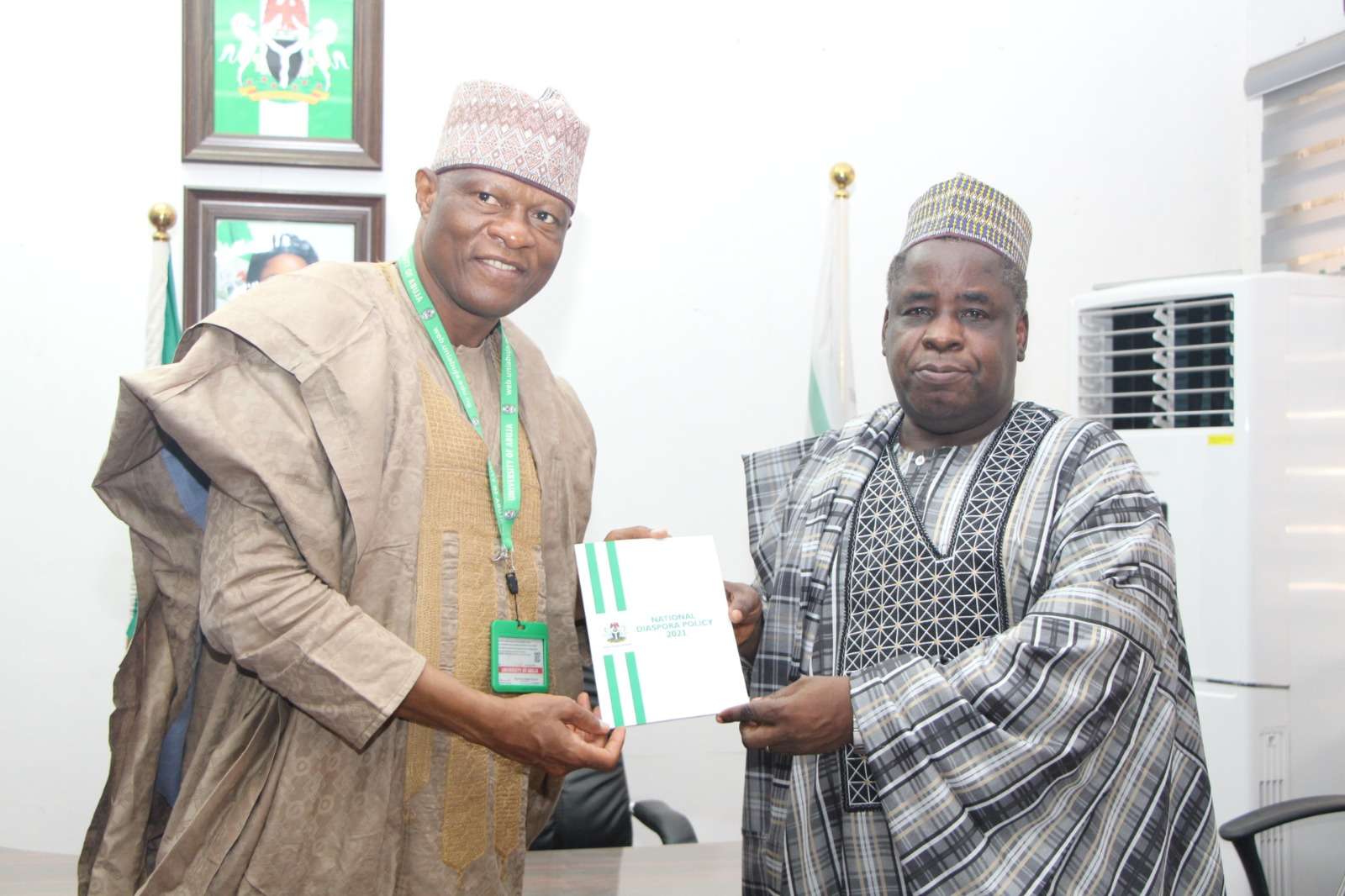
    The Vice Chancellor, University of Abuja Prof. Abdul-Rasheed Na’Allah, says, the university, through the newly established Centre for Migration Studies, is willing to partner the Nigerians in Diaspora Commission (NiDCOM) for better migration management.

    Na’Allah stated this during a visit to the Chairman/CEO,
    Nigerians in Diaspora Commission (NiDCOM), Hon.Abike Dabiri-Erewa, at
    the Commission’s headquarters in Abuja.

    The Vice Chancellor emphasized that the visit was to foster partnership for better migration management.

    Na’Allah described the University as an institution with large impact, noting that it is the first to introduce Distance Learning in the Federal Capital Territory (FCT) to leverage learning opportunities for Public Servants and other Nigerians all over the country.

    “As an Institution situated in the centre of Nigeria, with over 50,000 students and also the first University the Embassies come to interact with, we are ready to partner with you on the job you do as a Commission” he added.

    The VC stated that the Centre is willing to talk to Nigerians and educate them on regular migration with information on several ways to migrate legitimately.

    In his words, “we can work on joint research, joint sensitization effort to curb migration crisis, train your staff and other possible ways to best enhance migration management”.

    Receiving the delegation on behalf of the Chairman/CEO NiDCOM, Dr. Sule Yakubu Bassi, Secretary to the Commission, welcomed the initiatives with so much enthusiasm, noting that the Commission is fully committed to better migration management.

    Bassi describes the partnership as essential, reiterating that migration is a natural phenomenon that can not be stopped but can be beneficial if properly managed.

    “Different factors such as push factor and pull factor leads to migration, what we do is to see how we can turn it into a win-win situation by encouraging those intending, to migrate regularly so they can contribute their own quota to National Development” Bassi noted.

    He further urged the university to also look at means through which the Diaspora can be encouraged to maintain ties with their homeland.

    “We engage with the over 20 million Nigerian Diaspora by enabling them with knowledge on how to engage with Nigeria. They have talents, resources, and global exposure, which can be harnessed for national development.” Bassi added.

    The Secretary elaborated how the Commission continues to attract Nigerians back home and their investments through numerous programmes guided by the National Diaspora Policy, such as Nigeria Diaspora Investment Summit (NDIS), Diaspora Investment Trust Fund, Diaspora Mortgage Scheme and the National Diaspora Merit Award amongst others.

  • England Schools to Implement Ban on Cellphone Use to Improve Classroom Environment

    England Schools to Implement Ban on Cellphone Use to Improve Classroom Environment

    In a bid to enhance classroom discipline and minimize disruptions, schools across England are set to enforce a ban on cellphone usage during school hours. The Department of Education issued new guidance on Monday, urging schools to adopt consistent measures to curb the prevalent use of mobile devices among students.

    Citing concerns over online bullying, distractions, and classroom disturbances, the government emphasized the need for a unified approach to address the pervasive issue. According to the UK’s communications regulator, Ofcom, a staggering 97% of children possess their own cellphone by the age of 12, underscoring the urgency of intervention.

    Last year, UNESCO echoed similar sentiments, advocating for the prohibition of smartphones in educational institutions, citing evidence linking excessive screen time to diminished academic performance and adverse effects on children’s well-being.

    Education Secretary Gillian Keegan underscored the significance of maintaining a conducive learning environment, labeling cellphones as unwelcome distractions in classrooms. Keegan stated, “We are giving our hard-working teachers the tools to take action to help improve behavior and to allow them to do what they do best – teach.”

    Echoing Keegan’s sentiments, Technology Secretary Michelle Donelan emphasized the government’s commitment to safeguarding children’s well-being and educational prospects. Donelan highlighted recent legislative efforts aimed at making the UK the safest online environment for young people, affirming the necessity of balancing technological advancements with educational priorities.

    The Department of Education revealed that approximately 29% of secondary school students reported instances of unauthorized cellphone usage during lessons, underscoring the pervasive nature of the issue. Schools will be provided with various strategies to enforce the ban, including confiscation of phones upon arrival, implementing secure storage facilities, or outright prohibition on school premises.

    Highlighting the efficacy of such measures, the Department referenced success stories from schools that have already implemented cellphone bans. One school, in particular, witnessed an immediate positive impact on classroom culture, with students demonstrating increased focus and engagement in learning activities.

    The move aligns England with other nations that have implemented similar restrictions, including France, Italy, and Portugal, signaling a global trend toward regulating cellphone usage in educational settings. As schools prepare to implement the ban, stakeholders remain optimistic about the potential benefits it may yield in fostering a conducive learning environment for students across the country.

  • AU Takes Action to Protect Donkeys: Bans Donkey Skin Trade

    AU Takes Action to Protect Donkeys: Bans Donkey Skin Trade

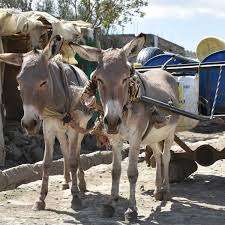
    The African Union has implemented a ban on the trade of donkey skins to safeguard Africa’s donkey population and the livelihoods of rural communities.

    The decision, ratified during the 37th Ordinary Session of the African Union Assembly held in Addis Ababa, Ethiopia, marks the culmination of efforts to address the alarming decline in donkey numbers across the continent.

    The ban, proposed by the AU’s Specialized Technical Committee for Agriculture, Rural Development, Water, and Environment, comes in response to the devastating impact of the trade driven by Chinese demand for ejiao, a gelatin derived from boiling down donkey hides for use in traditional Chinese medicine.

    According to Brooke – Action for Working Horses and Donkeys, an animal welfare group, the demand for ejiao has led to the decimation of donkey populations in China and subsequently fueled export industries in Africa and South America. With approximately two-thirds of the world’s estimated 53 million donkeys residing in Africa, the ban represents a crucial step in curbing the depletion of this vital resource.

    Donkeys play a fundamental role in the daily lives of many rural communities, serving as a means of transportation and carrying essential goods such as water and food. The ban aims to protect these animals from exploitation while preserving the economic and social fabric of communities dependent on them.

    The decision has been met with widespread support from conservationists, animal welfare organizations, and local communities alike, who view it as a significant victory for animal rights and sustainable development.

    While challenges may arise in enforcing the ban and addressing existing trade networks, the African Union’s commitment to protecting donkeys signals a promising future for these resilient creatures and the communities they serve.

  • House of Representatives Advances Bill on State Police to Second Reading

    House of Representatives Advances Bill on State Police to Second Reading

    In a decisive move aimed at bolstering Nigeria’s internal security, the House of Representatives has taken a significant step by passing for second reading, the State Police Reform bill.

    Spearheaded by the deputy speaker and backed by 14 other members, the proposed legislation seeks to amend the 1999 constitution to pave the way for the establishment of state police formation.

    During Tuesday’s plenary session, members of the House engaged in a robust debate on the merits of the bill. Expressing concern over the nation’s current security landscape, Kalu, standing in for Speaker Abbas Tajudeen, emphasized the paramount importance of prioritizing the safety of Nigerian citizens over political considerations.

    Babajimi Benson underscored the pressing need for a decentralized approach to law enforcement. With Nigeria’s population exceeding 200 million and a police force of fewer than 400,000 officers, Benson argued that the creation of state police forces is imperative to effectively tackle internal security challenges.

    Despite facing contention since the Seventh National Assembly, the advancement of the bill marks a notable breakthrough in the legislative process. Notably, governors from the Peoples Democratic Party (PDP) have reiterated their support for state policing, citing it as crucial for addressing the nation’s deteriorating security situation and averting a scenario akin to Venezuela’s.

    Furthermore, various regional socio-political organizations, including Afenifere, Ohanaeze Ndigbo, the Middle Belt Forum, and the Northern Elders’ Forum, have thrown their weight behind the implementation of state police forces. They view it as a pragmatic solution to the escalating security challenges confronting Nigeria.

    The bill’s referral to the House Committee on Constitution Review signifies a pivotal phase in its journey through the legislative process. As Nigeria grapples with persistent security threats, the advancement of the bill underscores a growing consensus on the imperative of decentralized law enforcement to safeguard the nation and its citizens.

  • Nigerian Red Cross Raises Alarm Over Escalating Hunger Crisis

    Nigerian Red Cross Raises Alarm Over Escalating Hunger Crisis

    The Nigerian Red Cross Society (NRCS) has issued a dire warning regarding the deepening hunger crisis in Nigeria, urging immediate action to address the escalating situation. Dr. Abubakar Ahmed Kende, Secretary General of the NRCS, delivered the stark message during a press briefing held in Abuja yesterday.

    Dr. Kende expressed grave concern over the worsening food insecurity gripping the nation, attributing it to factors such as hyperinflation fueled by surging fuel prices. He revealed that an estimated 26.5 million Nigerians, including vulnerable groups such as women and children, are currently grappling with acute hunger and require urgent assistance to avert further suffering and loss of life.

    The announcement comes amidst mounting protests against food shortages and soaring living costs, with demonstrations spreading to cities like Ibadan, where protesters defied police warnings to demand action from the government.

    At the launch of a partnership between the Red Cross and Ecobank aimed at mobilizing local resources for the hunger crisis appeal, Dr. Kende underscored the precarious situation faced by vulnerable populations, including children, pregnant women, and lactating mothers. He disclosed alarming statistics, revealing that nearly 4.41 million children and 585,000 mothers are confronting acute malnutrition, with approximately 1,000 Nigerian children succumbing to malnutrition-related causes daily.

    Dr. Kende emphasized the multifaceted nature of the crisis, citing factors such as changing weather patterns, heightened internal conflicts, and the enduring impacts of the COVID-19 pandemic. Urging swift action, he stated, “The time to act is now.”

    The partnership with Ecobank aims to mobilize funds locally to support the hunger crisis appeal and deliver essential relief to affected communities. Dr. Kende outlined various initiatives, including the provision of multipurpose cash grants for emergency relief and recovery, nutritional support for pregnant and lactating mothers, and Water, Sanitation, and Hygiene (WASH) interventions to mitigate disease prevalence.

    In conclusion, Dr. Kende called upon individuals, businesses, and organizations to unite in supporting government efforts to address the crisis. He underscored the pivotal role that corporate entities like Ecobank Nigeria can play in contributing to the nation’s welfare.

    The Nigerian Red Cross, in collaboration with partners and volunteers across all 36 states and the Federal Capital Territory, stands poised to respond to the urgent humanitarian needs of communities hardest hit by acute hunger.